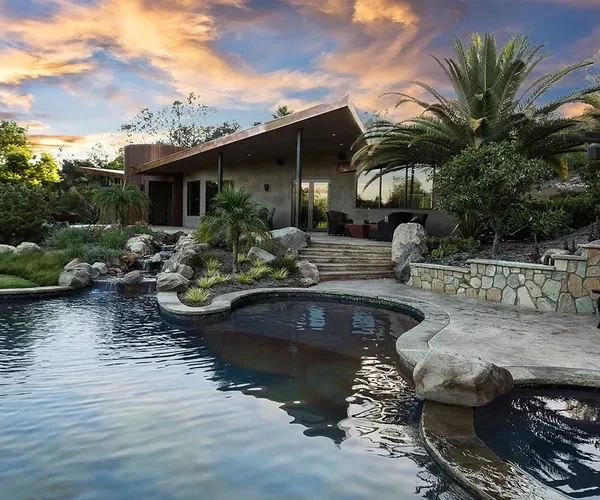
A backyard pool can either feel like a private retreat or an expensive blue hole in the ground. The difference rarely comes down to size. It comes from choices that make the space easier to use, easier to care for, and more enjoyable long after the first splash. The best Pools Outdoor Tips start with one honest idea: your pool should serve the way you actually live, not the way a catalog says a backyard should look.
A better backyard does not need marble decking, resort furniture, or a pool shaped like a celebrity estate. It needs flow, shade, safety, clean edges, smart storage, and a reason for people to stay outside after they dry off. Even a modest pool can feel polished when the surrounding space works as hard as the water itself. For homeowners comparing ideas, design notes, and property-focused inspiration, a strong outdoor living resource can help frame the bigger picture before decisions turn expensive.
Good pool planning rewards patience. Bad pool planning punishes you every weekend. Once you understand how layout, comfort, maintenance, and mood work together, the backyard stops feeling like a project and starts feeling like a place.
Design the Pool Area Around Real Backyard Behavior
A pool should never be planned as a standalone feature. Water may be the visual center, but people move around it, sit beside it, carry food near it, chase towels across it, and look at it from inside the house. That daily behavior matters more than any glossy design trend. Strong backyard pool design begins by watching how people already use the yard before deciding where furniture, plants, lights, and walkways belong.
Backyard Pool Design That Starts With Movement
The first mistake many homeowners make is treating the pool edge like the whole destination. People need clear paths from the house, bathroom, storage zone, grill, seating area, and shaded spot. When those paths feel awkward, the pool becomes less relaxing because every small action takes more effort than it should.
A smart backyard pool design gives people room to pass without stepping over loungers or squeezing around planters. You want enough open space for wet feet, dropped goggles, pool toys, and the occasional guest who insists on walking backward while talking. That sounds oddly specific because backyards are oddly specific.
The best layouts leave breathing room near high-traffic zones. A narrow strip of deck may look clean in a drawing, but it becomes annoying when two people cannot pass each other without one stepping onto the grass. Better design gives the pool a quiet edge for lounging and a working edge for movement.
Small Backyard Pool Choices That Feel Bigger
A small backyard pool can feel generous when the space around it stays disciplined. The trick is not to cram in every feature. A plunge pool, tanning ledge, bench seat, or compact rectangle often works better than a stretched shape that eats the whole yard and leaves no usable space beside it.
Scale matters more than drama. A small backyard pool surrounded by oversized furniture looks cramped, while the same pool with slim seating, wall-mounted storage, and built-in benches can feel calm and intentional. The water is only one part of the footprint.
Counterintuitively, leaving part of the yard open can make the pool feel more luxurious. Empty space gives the eye somewhere to rest. It also gives you options for kids, pets, garden beds, or a future fire feature without turning the backyard into a crowded showroom.
Use Pool Landscaping Ideas to Create Comfort, Not Clutter
Once the layout works, the next layer is atmosphere. Landscaping should soften the hard edges of the pool without creating endless cleanup or blocking the places where people need to walk. Good pool landscaping ideas balance beauty with restraint, because the wrong plants can turn pool ownership into a daily skimming ritual with prettier leaves.
Pool Landscaping Ideas for Shade and Privacy
Shade changes how long people use a pool. A yard with no shade often looks bright in photos and brutal in real life. Pergolas, umbrellas, shade sails, and carefully placed trees can turn harsh midday sun into a space people can enjoy for more than twenty minutes.
Privacy needs the same kind of practical thinking. Tall hedges may seem like the obvious answer, but dense planting near water can drop leaves, flowers, and insects into the pool. Better pool landscaping ideas use layered planting, screens, raised planters, or fence details to block views without creating constant debris.
Plant choice should follow pool life, not garden fantasy. Ornamental grasses, structured shrubs, and low-litter plants often work better than messy flowering trees beside the water. The goal is to frame the pool, not feed it a fresh pile of cleanup every morning.
Outdoor Pool Maintenance Starts With Smart Plant Placement
Outdoor pool maintenance becomes easier when landscaping decisions respect wind, drainage, and distance. A beautiful tree placed on the wrong side of the pool can turn every breeze into a chore. A planter too close to the coping can stain surfaces, attract bugs, or spill soil into the water after rain.
Hardscaping helps here. Gravel bands, pavers, raised beds, and retaining edges create clean separation between planting zones and the pool. That small boundary keeps mulch, dirt, and roots from creeping into places where they cause problems later.
A practical yard still has life. It simply puts the messier elements farther from the water and saves the cleaner, more architectural plants for the pool edge. That one decision can cut down on skimming, staining, and frustration more than any fancy gadget.
Build Comfort Into the Details People Notice Last
Many pool spaces fail because they focus on the big reveal and ignore the small irritations. Hot decking, nowhere to set a drink, no place for towels, harsh lighting, and slippery steps can make a beautiful pool feel badly planned. This is where Pools Outdoor Tips earn their keep, because comfort usually lives in details nobody brags about but everyone feels.
Outdoor Pool Maintenance Through Better Materials
Surface choices shape both comfort and upkeep. Some decking looks stunning until the first barefoot guest crosses it at noon. Other materials stay cooler, drain better, and grip more safely under wet feet. The right choice depends on climate, budget, and how much work you want to do each season.
Concrete, pavers, natural stone, and composite decking all come with trade-offs. Smooth surfaces may look sleek but become slippery. Textured surfaces may grip well but hold dirt. Dark materials may create visual contrast but absorb heat. The smartest choice is the one that matches your weather and your patience.
Outdoor pool maintenance also depends on how materials age. A pool area should not need constant sealing, scrubbing, or stain rescue to look decent. Choose finishes that can survive sunscreen, rain, leaves, chlorine, salt, and real family traffic without turning every weekend into a repair session.
Backyard Pool Design Details That Make Hosting Easier
Hosting around a pool exposes weak planning fast. Guests need places to sit, dry off, eat, charge a phone, escape the sun, and keep their belongings off the ground. When those needs are ignored, the pool party slowly migrates back indoors.
Storage deserves more respect than it gets. A deck box, built-in bench, wall hooks, or narrow cabinet can hide toys, towels, cleaning tools, and cushions before clutter takes over the scene. Nobody wants to admire a pool net leaning against a dining chair.
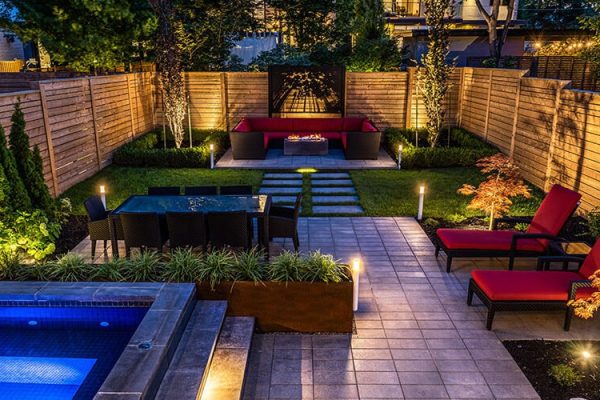
Lighting changes the whole backyard after sunset. Soft path lights, step lights, and warm seating-area lighting make the space feel safer without turning it into a parking lot. The best evening pool areas do not blast light across the water. They guide people gently through the yard.
Make the Backyard Feel Finished Beyond the Water
A pool becomes more valuable when the surrounding yard works in every season. The smartest backyards do not go dead when swimming ends. They offer places to sit, eat, read, gather, and reset. That is how a pool area becomes part of daily life instead of a feature used only when the temperature behaves.
Small Backyard Pool Zones With More Than One Purpose
A small backyard pool benefits from zones that do double duty. A bench can store towels. A raised wall can become seating. A narrow side yard can hold a shower, hooks, or a slim planting bed. The less space you have, the harder every square foot should work.
Flexible furniture beats bulky furniture in tight yards. Lightweight chairs, nesting tables, folding loungers, and movable umbrellas let the space shift between quiet mornings and busy gatherings. Fixed pieces can look clean, but they punish you when the day does not match the layout.
Unexpectedly, a small backyard pool often feels better when the design accepts limits instead of fighting them. A compact yard does not need to pretend it is a resort. It needs to feel personal, efficient, and easy to reset after use.
Better Backyards Need a Year-Round Reason to Be Used
The strongest pool spaces give you something to enjoy when nobody is swimming. A fire bowl, covered seating nook, outdoor dining table, herb garden, or reading chair keeps the yard alive through cooler evenings and quiet mornings. Water should add to the backyard, not monopolize it.
Seasonal planning also protects your investment. Covers, drainage routes, furniture storage, and weather-resistant finishes keep the pool area from looking abandoned when summer ends. A backyard that only looks good for three months is not finished. It is staged.
Better backyards feel natural because every choice supports the next one. The path leads to the seat. The seat has shade. The shade has a view. The view makes the water feel inviting. That chain is what turns a pool from a feature into a place people remember.
Conclusion
A better pool area is not built by chasing the flashiest idea. It is built by removing friction. Give people shade before they need it, storage before clutter appears, safe footing before the first slip, and seating where conversations already want to happen. Those quiet decisions carry more weight than expensive decoration.
The most useful Pools Outdoor Tips are the ones that make your backyard easier to live in after the excitement of installation fades. A pool should not demand constant attention to feel worth it. It should invite use, handle mess, and still look good when the towels are drying and the chairs are slightly out of place.
Start with one honest walk through your yard this week. Notice where people move, where the sun hits hardest, where clutter gathers, and where the pool feels disconnected. Fix the weak point first, then build from there. A backyard becomes better one smart decision at a time.
Frequently Asked Questions
What are the best outdoor pool tips for a small backyard?
Choose a simple pool shape, keep furniture slim, and leave open space around the water. Built-in benches, wall hooks, raised planters, and movable shade help a compact yard feel useful instead of crowded.
How can backyard pool design improve daily use?
Strong design makes movement easy between the house, pool, seating, bathroom, and storage. When the layout supports real habits, the pool feels natural to use instead of becoming a feature people admire from a distance.
What pool landscaping ideas reduce cleaning work?
Use low-litter plants, keep trees away from the pool edge, and separate planting beds with stone, pavers, or raised borders. Clean landscaping choices reduce leaves, soil, insects, and stains in the water.
How often should outdoor pool maintenance be done?
Basic checks should happen weekly during swim season, including water balance, skimming, brushing, and equipment review. Heavy use, storms, heat, and nearby plants may require extra attention between scheduled cleanings.
What makes a small backyard pool look more expensive?
Clear edges, balanced lighting, restrained planting, matching furniture, and clutter-free storage create a polished look. Expensive style often comes from discipline, not size or luxury materials.
Which backyard pool design mistakes should be avoided?
Avoid cramped walkways, oversized furniture, poor shade planning, slippery surfaces, and storage afterthoughts. These mistakes make the pool harder to enjoy even when the water itself looks perfect.
What are easy pool landscaping ideas for privacy?
Layer tall planters, privacy screens, fence upgrades, and structured shrubs to block views without crowding the pool. Avoid messy trees close to the water because privacy should not create more cleanup.
How do you make a pool area useful year-round?
Add seating, lighting, weather-resistant furniture, a fire feature, or a covered corner that works beyond swim season. A pool area feels more valuable when it supports quiet mornings, evening gatherings, and off-season relaxation.