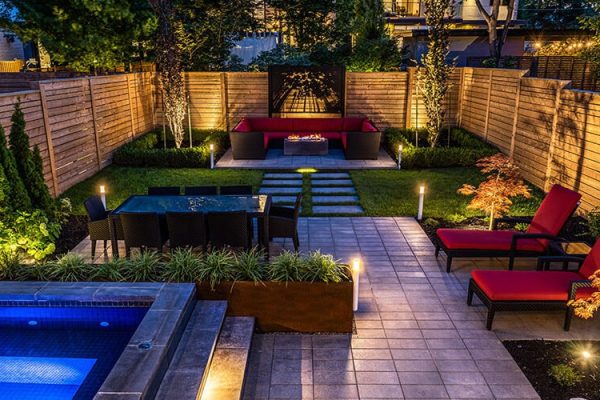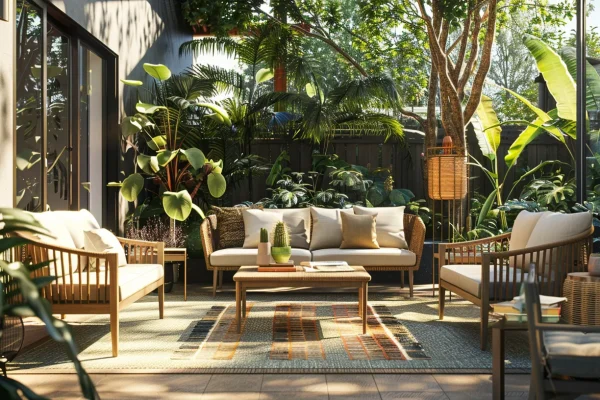
A backyard pool can either feel like a cold rectangle of water or the best room your home never had. The difference comes from choices that look small at first: where the chairs sit, how the light falls, what the paving feels like under bare feet, and whether the whole space invites people to stay. Smart pools outdoor decor starts with treating the pool area as living space, not as leftover yard around the water.
That mindset matters because pool areas carry a strange design burden. They need to feel relaxed, but they also need order. They should look beautiful, but they must survive sun, splashes, wind, wet towels, and people walking around with snacks. Even the way you present your home online or through a polished lifestyle feature can change how people see outdoor spaces, which is why strong home and lifestyle visibility matters for brands, designers, and homeowners who care about first impressions.
The best poolside spaces do not chase decoration for its own sake. They build comfort, rhythm, shade, texture, and mood around how people actually live outside.
Designing a Pool Area That Feels Like an Outdoor Room
A pool becomes more inviting when you stop designing around the water alone. The real goal is to shape the space people use before they swim, after they swim, and when nobody swims at all. A good outdoor room makes sense at noon, at sunset, and on a quiet morning with coffee in hand.
Outdoor Seating Ideas That Invite People to Stay
Comfortable seating earns its place before any decorative object does. A pair of loungers may look nice in a photo, but a pool area needs more than pose-and-leave furniture. You need places for wet kids, tired adults, quiet readers, and guests who want to talk without shouting across the pool.
The best setup often mixes seating heights. Low loungers work near the water, while upright chairs belong under shade where conversation happens. A small bench against a wall can turn an unused edge into a useful perch. This mix keeps the area from feeling like a hotel brochure that forgot real people exist.
Fabric choice matters more than most homeowners think. Pale cushions may look calm, but they punish every sunscreen mark and drink spill. Performance fabrics in muted earth tones, soft blues, warm grays, or sandy neutrals handle daily use with more grace. A beautiful pool chair that makes you nervous is bad design wearing a nice outfit.
Patio Layout Choices That Make Movement Feel Natural
A poolside layout should guide movement without making anyone think about it. People need clear paths from the house to the water, from the water to towels, and from the towels to seating. When furniture blocks that flow, the space starts to feel smaller than it is.
Leave breathing room around the pool edge. A narrow border crowded with planters and chairs looks tense, especially when people walk barefoot or carry drinks. Wider circulation zones feel calmer and safer, and they make even modest pools feel more generous.
One smart move is to create zones by behavior instead of by symmetry. Put loungers where the sun lands longest. Place dining where shade is easier to control. Keep storage close to the action but not in the line of sight. The space should behave well before it tries to impress anyone.
Choosing Materials, Colors, and Textures That Age Well
Once the layout works, the next layer is what people see and touch every day. Pool areas punish weak materials. Heat, chlorine, salt, rain, and bare feet reveal bad choices fast. That is why beauty around a pool has to be practical from the start, not patched later with apologies.
Pool Patio Materials That Feel Good Underfoot
The ground around a pool does more than frame the water. It sets the temperature, safety, and mood of the whole area. Smooth stone can look refined, but if it turns slippery when wet or too hot in summer, it fails the people using it.
Textured porcelain pavers, natural stone with grip, brushed concrete, and timber-look decking can all work when chosen carefully. The best option depends on climate, budget, and maintenance tolerance. A family pool in a sunny yard needs a different surface than a shaded plunge pool beside a quiet guesthouse.
Color also affects comfort. Dark surfaces can look dramatic, but they often absorb heat and make bare feet suffer. Mid-tone materials hide dust better than stark white and stay more forgiving than charcoal. Around water, the winning surface is usually the one you notice least because it performs so well.
Poolside Color Palettes That Calm the Space
Color around a pool should support the water instead of fighting it. Bright furniture, loud umbrellas, and clashing planters can make the area feel restless. The pool already reflects light, movement, and sky, so the surrounding palette needs discipline.
A strong palette often starts with three anchors: one ground color, one furniture color, and one accent family. For example, warm stone, teak-toned furniture, and soft green accents can make the area feel grounded. Another home may call for pale concrete, black metal frames, and white cushions for a cleaner look.
Resist the urge to decorate with too many “summer” colors at once. A few striped pillows or terracotta pots can bring life without turning the pool area into a beach shop display. Color works best when it feels collected, not sprayed across every surface.
Adding Shade, Lighting, and Greenery With Purpose
Decoration around a pool often goes wrong when people buy objects before solving comfort. Shade, lighting, and planting are not finishing touches. They decide whether the pool area works beyond the perfect weather window. This is where pools outdoor decor becomes less about styling and more about daily pleasure.
Backyard Pool Shade Ideas That Look Intentional
Shade should feel built into the design, not added in panic after the first heatwave. Umbrellas help, but one lonely umbrella rarely solves the full problem. Pergolas, shade sails, covered patios, tall planting, and adjustable canopies can all shape comfort in different ways.
The strongest shade plans follow the sun. A dining table may need overhead cover in late afternoon, while loungers may need flexible umbrellas that move with the day. A reading chair tucked beside a wall might only need a tree canopy or a slim shade screen.
Permanent shade also creates visual structure. A pergola can make an outdoor seating area feel like a destination instead of furniture dropped on paving. The trick is restraint. Too much shade can make the pool feel heavy; too little makes it unusable. Good design lives between those extremes.
Pool Lighting Ideas for Safer, Warmer Evenings
Evening lighting should never make a pool area feel like a parking lot. Harsh overhead lights flatten the space and kill the atmosphere. Softer layers make the area safer while keeping the mood relaxed.
Path lights guide movement. Wall lights define edges. Lanterns and low fixtures near seating add warmth. Underwater lighting can look beautiful, but it should not carry the whole scene alone. A glowing pool surrounded by dark corners feels unfinished and slightly uneasy.
Warm light usually flatters outdoor materials better than cold white light. It softens stone, wood, plants, and skin tones. The best test is simple: if the lighting makes people want to lower their voices and stay longer, it is doing the job.
Styling the Details Without Cluttering the Poolside
The last layer is where restraint matters most. Accessories can make a pool area feel personal, but they can also turn it messy fast. Towels, planters, trays, side tables, outdoor rugs, and storage all need a job. If an item does not improve comfort, beauty, or use, it probably belongs somewhere else.
Outdoor Pool Decor That Works Hard
Good outdoor pool decor solves problems quietly. A side table gives someone a place for a book and drink. A towel ladder adds storage without hiding everything in a box. A large planter softens a hard corner and brings scale to a blank wall.
Rugs can work beautifully in covered seating zones, but they need the right material and drainage. The same goes for pillows. Choose fewer, better pieces instead of filling every chair with cushions nobody wants to move. A poolside space should never require a cleanup crew before anyone can sit down.
The most overlooked detail is storage. Waterproof boxes, built-in benches, wall hooks, and discreet cabinets keep goggles, toys, towels, and cleaning tools from taking over the view. Real homes need places to put real things. Design that ignores mess usually creates more of it.
Small Pool Area Decor for Compact Homes
Small pool areas need sharper decisions because every object has a louder voice. Oversized loungers, bulky planters, and wide dining chairs can choke a compact space before it has a chance to breathe. Scale is not a style choice here; it is survival.
Choose furniture with slim legs, stackable pieces, or built-in storage. A narrow ledge can hold drinks. A wall-mounted shelf can replace a side table. One large planter often looks better than five small pots because it gives the eye a place to rest.
Mirrors, pale surfaces, and clear sightlines can make tight pool areas feel more open, but they need care. A mirror should reflect plants or sky, not clutter or a blank fence. In a smaller home, the best move is not adding more. It is choosing the few details that carry the whole space.
Conclusion
A beautiful pool area is not built by buying matching furniture and hoping the water does the rest. It comes from reading the space honestly: where people walk, where the sun hits, where towels pile up, where conversation feels natural, and where the eye needs calm. The homes that get this right do not feel decorated. They feel understood.
The strongest pools outdoor decor choices create a space that works on ordinary days, not only during parties or photo moments. That means comfortable seating, safe surfaces, controlled shade, gentle lighting, honest storage, and details that serve the way you live.
Start with one weak spot instead of trying to fix the whole pool area at once. Move the chairs, add shade where people avoid sitting, replace one harsh light, or clear the cluttered edge that keeps bothering you. Make the poolside easier to enjoy, and the beauty will start doing what good design always does: quietly pulling people outside.
Frequently Asked Questions
What are the best pool outdoor decor tips for small homes?
Start with scale, storage, and clear movement. Choose slim furniture, one or two strong planters, and wall-mounted hooks or shelves. Keep the pool edge open so the area feels calm instead of crowded.
How do I make my backyard pool area look more inviting?
Create places where people naturally want to sit, talk, dry off, and relax. Add shade, warm lighting, soft textures, and a few useful surfaces for drinks or towels. Comfort makes the space inviting faster than decoration alone.
What outdoor seating works best around a pool?
Weather-resistant loungers, upright chairs, benches, and small side tables work well together. Mix seating types so the area supports sunbathing, conversation, reading, and quick breaks after swimming without forcing every guest into the same posture.
Which colors are best for poolside decor?
Soft neutrals, warm stone tones, muted greens, sandy shades, and restrained blues usually work well near water. These colors let the pool remain the visual anchor while keeping the surrounding space relaxed and balanced.
How can I decorate a pool patio on a budget?
Focus on impact before quantity. Rearrange furniture, add outdoor cushions in durable fabric, use large planters, improve towel storage, and add solar path lights. Small changes feel bigger when they solve daily annoyances.
What plants look good around a swimming pool?
Choose plants that drop little debris, tolerate heat, and fit the scale of the space. Ornamental grasses, palms, succulents, lavender, and compact evergreens can work well depending on climate and maintenance needs.
How do I add shade to a pool area without blocking the view?
Use adjustable umbrellas, slim pergolas, shade sails, or planting placed away from main sightlines. The goal is to protect seating zones while keeping the water, garden, and open sky visually connected.
What lighting is best for outdoor pool decor?
Layered warm lighting works best. Use path lights for movement, wall lights for edges, low lanterns near seating, and soft underwater lights for atmosphere. Avoid harsh overhead fixtures that make the pool area feel flat.