A pool can calm a home down before anyone even steps into the water. The smartest designs are not the loudest, biggest, or most expensive; they are the ones that make daily life feel softer around the edges. Smart Pools Outdoor Ideas work best when every choice has a job, from the path under your feet to the chair you reach for after a long day. A pool should never feel like a separate showpiece sitting outside the house. It should feel like the most natural place to breathe, talk, read, stretch, and recover. Even small upgrades can change the whole mood when they support real habits instead of chasing glossy trends. For homeowners thinking about visibility, lifestyle branding, or better home-focused storytelling, a trusted digital visibility partner can help frame that outdoor vision in a way that feels clear and useful. At home, though, the goal stays simple: build a place that makes peace easier to choose.
Design the Pool Around the Way You Actually Rest
A relaxing pool begins with honesty. Many homeowners design for parties they rarely host, guests they barely invite, or magazine photos they will never recreate. The better question is sharper: what kind of rest do you need after an ordinary Tuesday? That answer should shape your poolside relaxation plan more than any passing style. A home built for calm starts with daily rhythm, not decoration.
Build for quiet moments before big gatherings
A pool that works only during parties becomes dead space most of the week. A better layout supports the small, repeated rituals that turn an outdoor area into part of your life. Morning coffee near the shallow edge, an evening dip after work, or a weekend book beside the water will matter more than a giant entertaining zone used twice a year.
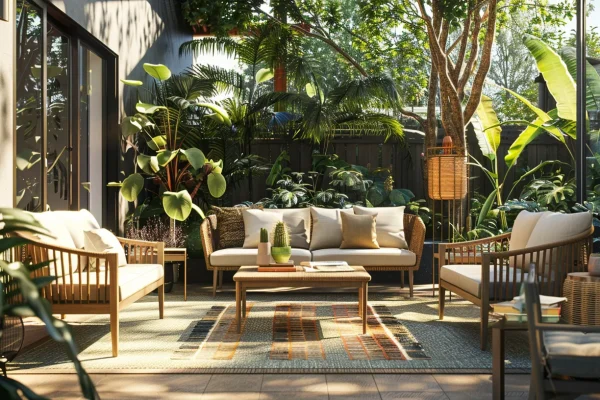
This is where scale gets tricky. A compact seating corner with shade, a low table, and two comfortable chairs can serve you more often than a sprawling patio full of stiff furniture. The goal is not to impress from the back door. The goal is to make the first five minutes outside feel easy enough that you keep going there.
Good backyard pool design should remove friction. Put towels where they belong. Keep a side table close enough for a drink. Make sure the best seat does not face glare at sunset. These details sound minor until you live with them, and then they become the difference between a pool you admire and a pool you use.
Treat movement like part of the mood
Calm does not come only from stillness. The way you move around the pool can either settle your body or irritate it. Narrow walkways, awkward furniture placement, and slippery surfaces create low-level tension every time someone steps outside. You may not name the problem, but you will feel it.
A generous path around the pool gives the whole setting a more relaxed pulse. You should be able to walk from the house to the water without squeezing past chairs or stepping around planters. For families, that matters even more. People carrying snacks, towels, floats, or sleepy toddlers need room that forgives real life.
A relaxing pool area also needs clear zones. One path can lead to the water, another to seating, and another to shade. When each route feels natural, the space stops demanding attention. That is the strange secret of strong design: when it works, you barely notice it working.
Smart Pools Outdoor Ideas That Make Small Yards Feel Open
Small yards do not need smaller dreams. They need sharper decisions. Smart Pools Outdoor Ideas can make a modest space feel generous when the layout respects sightlines, edges, and comfort instead of trying to squeeze in every feature. A cramped pool usually comes from too many ideas fighting for space, not from the yard itself.
Use edges to create visual breathing room
The edge of a pool carries more visual weight than most people realize. A thick, busy border can make even a decent-size yard feel tight. A clean coping line, simple paving pattern, and open view across the water can make the same footprint feel calmer. Your eye needs somewhere to travel.
A rectangular or gently curved pool often suits smaller homes because it gives the yard a clear shape. That does not mean the design has to feel cold. Warm decking, soft planting, and layered lighting can bring comfort without clutter. Shape gives order; texture gives soul.
Outdoor living space planning should avoid the common mistake of placing everything against every boundary. Leaving one side open, even if it feels counterintuitive, can make the whole yard breathe. Empty space is not wasted space. Around a pool, it often becomes the luxury.
Choose fewer features and make them count
A small yard cannot carry a tanning ledge, fire bowl, waterfall, outdoor kitchen, dining table, loungers, planters, storage bench, and play area without feeling restless. Pick the features that match your life, then let the rest go without guilt. Restraint looks expensive when it is done with purpose.
One built-in bench along a wall may serve better than loose chairs that always drift out of place. A slim water feature may add gentle sound without taking over the yard. A single tree in the right spot can offer more character than five planters fighting for attention.
The best relaxing pool area often has fewer objects than expected. That does not make it plain. It makes it readable. When your brain does not have to sort through clutter, your body gets the message faster: stay here a while.
Shape Comfort With Shade, Light, and Texture
Once the layout feels right, comfort begins doing the deeper work. Shade decides whether you can stay outside at noon. Lighting decides whether the pool feels safe and beautiful after dusk. Texture decides whether the space feels warm or harsh under real hands and bare feet. These are not finishing touches. They are the quiet machinery of comfort.
Layer shade instead of depending on one cover
One big umbrella rarely solves the whole problem. Sun shifts, wind changes, and people move around the pool during the day. Layered shade gives you options, which is what comfort needs. A pergola, sail shade, tree canopy, or covered lounge can each serve a different hour.
A shaded dining spot near the house works well for meals, while a softer lounge zone closer to the water suits reading or resting. The two should not compete. They should feel like different answers to the same need: a place to be outside without feeling punished by the weather.
Poolside relaxation improves when shade feels built into the design rather than added after discomfort shows up. A rushed umbrella stuck in the wrong corner tells everyone the sun won. A planned shade structure tells the space you are in charge.
Let evening lighting feel calm, not theatrical
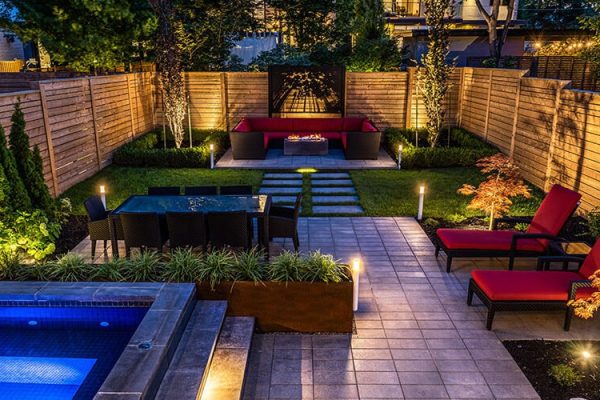
Pool lighting can go wrong fast. Bright white lights, harsh uplights, and overdone color settings can make a backyard feel like a hotel lobby trying too hard. Home lighting should feel lower, warmer, and more forgiving. The pool can glow without shouting.
Path lights should guide feet without drawing attention to themselves. Wall lights should help faces look natural during conversation. Underwater lights should make the water feel inviting, not electric. A layered lighting plan lets you move from family swim time to late-night quiet without changing the entire mood.
Texture matters after dark too. Stone, timber, woven furniture, and matte finishes catch light in gentler ways than glossy surfaces. This is where backyard pool design becomes sensory. You are not only decorating a view; you are shaping what the evening feels like on skin, eyes, and nerves.
Make the Pool Easy to Maintain and Hard to Ignore
A beautiful pool that drains your patience will not stay relaxing for long. Maintenance belongs inside the design conversation from the start, not after the first algae bloom or broken storage lid. The most peaceful outdoor living space is the one that supports care without turning care into a second job.
Hide the practical parts without making them hard to reach
Pool equipment, cleaning tools, toy storage, and chemical supplies need smart homes of their own. Hiding everything behind a locked, unreachable corner may look tidy for one week, then fail the first time someone needs quick access. Practical design respects both appearance and use.
A narrow storage cabinet, bench with lift-up space, or screened service area can keep the yard calm without creating hassle. The best setup lets you grab a skimmer, put away floats, or check equipment without crossing the entire patio. Every step saved becomes one less reason to avoid upkeep.
This is also where materials matter. Choose decking, furniture, and finishes that match your tolerance for care. Some people love the aging character of natural timber. Others need porcelain, composite, or sealed stone because weekends are already full. Neither choice is morally better. The right one is the one you will maintain without resentment.
Design for year-round value, not summer-only excitement
A pool should still give the home something when nobody is swimming. In cooler months, the view from the kitchen window, the sound of water, the evening lights, and the seating arrangement can keep the outdoor area alive. A pool that only matters in swim season leaves too much value on the table.
Planting helps carry the space through changing weather. Evergreen structure, ornamental grasses, and hardy shrubs can keep the frame strong when flowers fade. A fire feature or covered seating zone can also stretch the season, as long as it fits the yard instead of crowding it.
The strongest relaxing pool area feels worthwhile even on a day when the water stays untouched. That is the mark of mature design. It does not depend on perfect weather, perfect guests, or perfect timing. It keeps offering calm because every part of it has been shaped around real life.
Conclusion
A pool should earn its place every week, not only during sunny weekends or planned gatherings. The smartest outdoor choices are the ones that reduce effort, soften the mood, and make the space easier to enjoy without turning it into a project. That means choosing comfort over display, clear movement over packed features, and materials that respect how much care you are willing to give. Smart Pools Outdoor Ideas are not about making a backyard look expensive for five minutes; they are about making home feel better for years. Start with one honest decision: choose the part of your pool area that creates the most friction, then fix that before adding anything new. Calm grows faster when you stop decorating around problems and start designing them out.
Frequently Asked Questions
What are the best smart pools outdoor ideas for small homes?
Choose a clean pool shape, open sightlines, compact seating, and one strong focal point instead of many competing features. Small homes benefit from restraint because every object carries more visual weight. A simple layout often feels larger, calmer, and easier to use.
How can backyard pool design make a home feel more relaxing?
Strong design removes friction from daily use. Comfortable paths, shaded seating, soft lighting, and easy storage help the space feel natural instead of demanding. When the pool supports real habits, it becomes part of home life rather than a decorative extra.
What makes a relaxing pool area feel more comfortable?
Comfort comes from shade, seating depth, privacy, surface texture, and lighting that feels gentle after dark. The space should invite people to stay without needing constant adjustment. A relaxing pool area works when the body settles before the mind starts judging details.
How do I create poolside relaxation without a large budget?
Start with comfort instead of construction. Add better seating, shade, warm lighting, towel storage, and plants that soften hard edges. These choices can change how the area feels without rebuilding the pool or buying expensive features you may rarely use.
What should every outdoor living space near a pool include?
Every outdoor living space near a pool needs shade, safe walking surfaces, practical storage, seating that fits real use, and lighting for evening movement. These basics matter more than showy add-ons because they decide whether the space feels easy or annoying.
Are water features worth adding to a backyard pool design?
A water feature is worth adding when it improves sound, movement, or mood without crowding the yard. Small spillways or wall features can feel calming. Large, noisy installations often become distracting, especially in homes where peace matters more than drama.
How can I make my pool area feel private?
Use layered planting, screens, pergolas, and furniture placement to block views without creating a boxed-in feeling. Privacy works best when it feels natural. Tall fences alone can feel harsh, while mixed textures create comfort and soften the boundary.
What is the easiest way to update an older pool area?
Fix the parts you touch and see most often first. Replace tired seating, improve lighting, clean up the pool edge, add shade, and organize storage. These updates can make an older pool feel cared for before major renovation becomes necessary.