A crawl space can make a house feel solid or quietly punish it for years. Poor crawl space insulation shows up as cold floors, damp smells, swollen trim, high utility bills, and that stale air nobody wants drifting into the living room. Many American homeowners treat the space like a forgotten gap under the house, but climate decides everything down there. A home in Minnesota does not need the same setup as a house near Houston, and a mountain cabin in Colorado faces different risks than a coastal home in North Carolina.
The smartest choice begins with one question: what is the crawl space fighting most often, cold air, ground moisture, humid outdoor air, pests, or repair access? That answer shapes the insulation material, the air sealing plan, the vapor barrier, and even whether the vents should stay open. Good home improvement planning looks past the product label and studies how the house behaves through every season. That is where better decisions begin.
Climate Comes First Before Material Choice
The biggest mistake homeowners make is choosing insulation like they are buying paint. They compare R-values, prices, and brand claims, then miss the air and moisture pattern that controls the whole job. Crawl spaces live at the meeting point of soil, framing, plumbing, ductwork, and outside weather, so the wrong system can trap trouble instead of solving it.
Why Vented Crawl Space Plans Behave Differently by Region
A vented crawl space was once treated as common sense in many parts of the United States. The idea sounded neat: let outside air flow under the house so moisture can escape. That can work in some dry regions, but it falls apart in humid places where outdoor air carries more moisture than the space can handle.
In the Southeast, a vented crawl space can pull warm, damp air under cooler floor framing. That air can condense on joists, ducts, and old fiberglass. A homeowner in Georgia may open every vent thinking more airflow will dry the space, only to find musty insulation sagging between the floor joists by late summer.
Dry western climates tell a different story. In parts of Arizona, Nevada, or inland California, outdoor air may not create the same wet sponge effect. Even there, soil moisture still matters. A bare dirt floor can keep feeding moisture upward no matter how dry the afternoon air feels outside.
When an Unvented Crawl Space Solves More Than It Adds
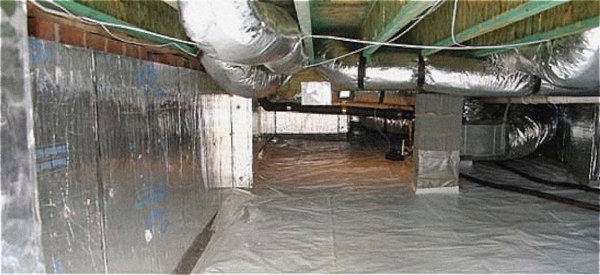
An unvented crawl space works best when it is treated like a small basement, not a sealed mystery box. The vents are closed, the ground is covered with a strong vapor barrier, the walls are insulated, and the air is tied gently into the home’s conditioning strategy. Done well, it gives the house a calmer boundary against weather.
This approach often makes sense in hot-humid, mixed-humid, and cold climates because it stops outdoor air from running the crawl space. The space becomes easier to control, and ducts under the floor usually perform better because they are no longer sitting in hostile air. That matters in many older American ranch homes where HVAC runs through the crawl area.
The catch is discipline. An unvented crawl space needs drainage, pest checks, air sealing, and a way to manage humidity. Closing vents without those pieces is not encapsulation. It is hiding a problem behind plastic and hoping the house forgives you.
Floor Insulation and Wall Insulation Are Different Decisions
Once the climate question is clear, the next choice is where the thermal boundary belongs. Some homes insulate between floor joists and keep the crawl space outside the conditioned area. Others insulate the foundation walls and bring the crawl space closer to indoor conditions. Both can work, but they solve different problems.
Fiberglass Batts Under the Floor Need More Protection Than Most Owners Expect
Fiberglass batts are common because they are familiar, affordable, and easy to find at any home center. In a dry, well-vented space with good air sealing, they can reduce cold floors. The problem is that many crawl spaces are not dry, clean, or protected enough for batts to age well.
Air movement cuts through fiberglass like wind through a sweater. If the batts are loose, compressed, or installed with gaps around pipes and wires, their performance drops fast. In a cold Ohio home, you might still feel chilly floors because the rim joist leaks air even though the joist bays look full.
Moisture makes the story worse. Wet fiberglass loses performance, grows heavy, and can pull away from the subfloor. The material itself does not stop air, does not block vapor well, and does not forgive sloppy installation. It needs support, air sealing, pest control, and a dry crawl space to earn its keep.
Rigid Foam Board Works Best When the Edges Are Treated Like the Main Job
Rigid foam board is often used on crawl space walls because it adds insulation and reduces thermal bridging through masonry. It can perform well in closed crawl spaces, especially when seams are taped or sealed and the top edge is protected from air leaks. The board is not magic, though. The edges decide the outcome.
A basement-like crawl space in Pennsylvania may benefit from rigid foam board along block walls, but only if the rim area is sealed and the floor vapor barrier connects cleanly to the wall. Gaps at the sill plate can let cold air sneak in behind the work. That small miss can make an expensive job feel ordinary.
Termite inspection rules also matter in many Southern states. Some areas require a visible inspection gap near the top of the foundation wall. That does not mean foam cannot be used, but it means the system must respect local pest risk. A clean detail beats a pretty wall every time.
Crawl Space Insulation Options for Hot, Cold, Mixed, and Dry Regions
The right comparison is not “best material versus worst material.” It is climate fit, moisture control, access, and repair risk working together. Crawl space insulation should help the house handle its region, not fight the same weather pattern year after year with the wrong tool.
What Hot-Humid Homes Need Before Any R-Value Decision
Hot-humid regions punish wishful thinking. In places like Louisiana, Florida, coastal Texas, and the Carolinas, moisture control usually matters before added R-value. A crawl space with damp soil, open vents, and leaky ducts can turn insulation into a wet storage blanket under the house.
The first job is stopping ground vapor with a durable vapor barrier that covers the soil and laps up the walls. The second job is controlling outside air. A vented crawl space in this climate often brings in moisture instead of removing it, especially during long cooling seasons when the house and ducts create cooler surfaces.
Dehumidification may be needed when the crawl space is closed. Some homes can manage with a small amount of conditioned supply air, while others need a dedicated crawl space dehumidifier. The best setup is the one that keeps wood dry, keeps odors out of the house, and still leaves the area serviceable for plumbers and pest inspectors.
What Cold and Mixed Climate Homes Get Wrong at the Rim Joist
Cold climates expose weak air sealing fast. A homeowner in Wisconsin may add thick batts under the floor and still feel a cold strip near outside walls. The cause is often the rim joist, where framing meets foundation and air leaks gather like a crowd at a doorway.
Spray foam insulation can seal the rim joist well when installed correctly. It fills irregular gaps and reduces air movement in a place where cutting boards perfectly is hard. This is one reason contractors often recommend it for cold-climate crawl spaces that have messy framing, old penetrations, or uneven masonry.
Mixed climates demand more judgment. A home in Tennessee or Missouri may deal with humid summers and cold snaps in winter. In that case, wall insulation, vapor control, and rim sealing often work better together than a floor-only plan. The crawl space must be dry enough for summer and tight enough for winter.
Cost, Access, Repairs, and Long-Term Performance
A crawl space system is not finished when the contractor packs up. It must survive inspections, plumbing leaks, pest activity, cable work, and the next homeowner who needs to understand what was done. The best insulation plan protects comfort without making the underside of the house impossible to read.
Spray Foam Insulation Can Be Smart, but It Can Also Hide Trouble
Spray foam insulation earns its reputation in tight, uneven spaces because it seals and insulates in one step. It can be a strong choice at rim joists, odd gaps, and areas where air leakage does more damage than low R-value alone. Used with care, it can make floors warmer and reduce drafts.
Trouble starts when foam covers wood that should remain inspectable. If a leak, termite path, or rot pocket gets buried, the house may lose its early warning signs. A crawl space should not become a sealed theater set where everything looks clean from five feet away but nobody can inspect the bones.
The safer path is selective use. Foam the places where air sealing matters most, then leave planned inspection areas open where local code, pest risk, or common sense requires it. That balance is not glamorous, but it protects the house better than a blanket solution.
How to Choose a System You Can Inspect and Maintain
Durability depends on details that homeowners rarely see in ads. The vapor barrier should be thick enough to resist tearing, sealed at seams, and fastened at walls. Drainage should move bulk water away before it reaches the crawl space. Access doors should close tightly without turning the space into a trap for future repairs.
A practical system also keeps plumbing and wiring reachable. If a plumber must destroy half the insulation to repair a pipe, the design failed in a quiet but expensive way. The better plan protects pipes from cold, leaves key shutoffs visible, and avoids burying future maintenance behind permanent materials.
Cost should be judged over years, not one invoice. Cheap batts that sag in three seasons are not cheap. Full encapsulation without humidity control is not finished. A climate-matched system with clear inspection paths often costs more at first, but it gives the homeowner fewer ugly surprises.
Conclusion
A crawl space is easy to ignore because it sits out of sight, but it keeps voting on your comfort every day. Floors, ducts, framing, indoor air, and utility bills all feel the result. The best decision is not about chasing the thickest insulation or the trendiest material. It is about reading the climate and choosing a system that can stay dry, tight, and repairable.
For many U.S. homes, crawl space insulation works best when it is paired with air sealing, ground vapor control, drainage, and honest access for future maintenance. Hot-humid houses need moisture control before pride. Cold-climate houses need rim joist discipline before more batts. Mixed climates need balance, not guesswork.
Before you spend money, look at the crawl space after rain, during peak humidity, and on a cold morning if your region allows it. The right answer is usually written on the wood, soil, ducts, and walls already.
Choose the system that fits the house you actually own, not the one the product label pretends you have.
Frequently Asked Questions
What is the best insulation for a crawl space in a humid climate?
Closed crawl spaces usually perform better in humid climates when paired with a sealed vapor barrier, wall insulation, and humidity control. Fiberglass under the floor often struggles when damp air enters through vents and condenses on cooler surfaces.
Should crawl space vents stay open or closed in summer?
In humid regions, open vents can bring in moisture instead of drying the space. In dry climates, vents may cause fewer problems, but soil vapor still matters. The right answer depends on local humidity, drainage, and whether the crawl space is designed as vented or closed.
Is fiberglass insulation good for crawl spaces?
Fiberglass can work in dry, protected floor cavities, but it performs poorly when exposed to air movement, dampness, pests, or weak support. It needs careful installation and a dry space to avoid sagging, moldy odors, and weak thermal performance.
Is rigid foam board better than fiberglass in a crawl space?
Rigid foam board often performs better on crawl space walls because it resists air movement and handles masonry surfaces well. It still needs sealed seams, protected edges, pest inspection planning, and a proper ground vapor barrier to work as intended.
Does a crawl space need a vapor barrier before insulation?
A dirt-floor crawl space almost always needs a vapor barrier before major insulation work. Soil can release moisture into the space every day, even when the surface looks dry. Insulation added over unmanaged moisture often fails early.
Can spray foam be used in a crawl space safely?
Spray foam can be safe and effective when installed by a trained professional and used in the right areas. It is especially helpful for rim joists and air leaks, but it should not hide wood that needs pest, rot, or leak inspection.
What insulation works best for cold climate crawl spaces?
Cold climates usually need strong air sealing at the rim joist, protected pipes, and either well-installed floor insulation or insulated crawl space walls. Wall insulation often works well when the crawl space is closed, dry, and managed like part of the home.
How much does crawl space insulation affect energy bills?
The savings depend on climate, duct location, air leakage, and the condition of the existing crawl space. Homes with leaky ducts, cold floors, or damp open crawl spaces often see better comfort first, then lower heating and cooling waste over time.