

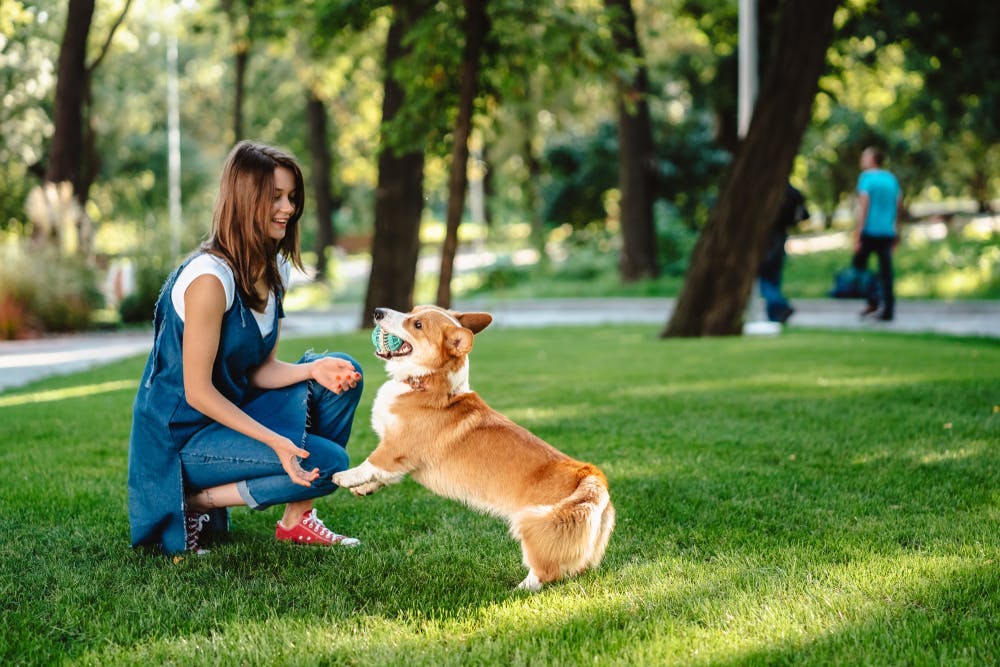
A canine learning center Scottsdale provides more than basic obedience lessons. At Rob’s Dog Training, structured guidance helps dogs develop reliable behaviors, better communication skills, and stronger relationships with their families. Training is not only about teaching commands. It is about helping dogs understand expectations while giving owners the tools needed for everyday success.
Every dog has unique experiences, energy levels, and learning patterns. A professional training approach considers these differences and creates a path that supports positive habits, confidence, and cooperation. From puppy development to advanced behavior support, a well-planned training program can help dogs become more comfortable in different situations.
Why a Canine Learning Center Scottsdale Supports Long-Term Behavior
Dogs learn through repetition, consistency, and clear communication. While many owners teach basic commands at home, professional guidance can provide a structured environment where dogs practice important skills with experienced trainers.
A canine learning center Scottsdale focuses on the connection between behavior and learning. Instead of only correcting unwanted actions, effective training helps identify why a dog behaves a certain way and provides appropriate strategies for better responses.
Professional training can support areas such as:
- Puppy socialization and early learning
- Basic obedience commands
- Leash manners
- Recall training
- Impulse control
- Household behavior
- Confidence building
- Fear or anxiety-related behaviors
The goal is to create dependable skills that work beyond the training environment. A dog that listens in a class setting but struggles at home may need additional practice in real-world situations.
How Dogs Learn Through Positive Training Methods
Modern dog training focuses on communication rather than punishment. Positive reinforcement methods encourage dogs to repeat behaviors that receive desirable outcomes, such as praise, rewards, or play.
When dogs understand what behavior earns a positive response, learning becomes clearer and more consistent. This approach helps create trust between dogs and their owners.
Key elements of effective learning include:
Clear Communication
Dogs do not naturally understand human expectations. Training helps bridge the communication gap by teaching dogs what specific cues, routines, and boundaries mean.
For example, a command like “stay” requires more than saying a word. Dogs need to understand duration, distance, distractions, and when they are released from the behavior.
Consistent Practice
Consistency plays an important role in successful training. When family members use different commands or responses, dogs may become confused about what is expected.
Short, regular training sessions often provide better results than occasional long sessions. Repetition helps reinforce behaviors until they become natural parts of daily life.
Reward-Based Learning
Rewards help dogs connect actions with positive outcomes. Depending on the dog, rewards may include treats, toys, affection, or verbal praise.
A professional trainer can help owners understand what motivates their dog and how to use those motivators effectively.
Puppy Training Creates a Strong Foundation
Early learning can influence how puppies respond to the world around them. Young dogs are naturally curious, which makes puppyhood an important time for developing healthy habits.
A puppy training program may focus on:
- Appropriate social interactions
- Handling and grooming tolerance
- House manners
- Crate training
- Basic commands
- Confidence around new environments
- Safe play behaviors
Socialization is especially important because puppies need positive experiences with different people, sounds, places, and situations. Proper introductions can help puppies become more comfortable as they mature.
A structured canine learning program gives puppies opportunities to learn while reducing the development of unwanted habits.
Addressing Common Dog Behavior Challenges
Many owners seek professional training because of everyday challenges. Barking, jumping, pulling on the leash, and difficulty following commands are common behaviors that can create frustration.
A skilled trainer begins by assessing the situation. The same behavior may have different causes depending on the dog.
For example:
- Excessive barking may be related to boredom, excitement, fear, or attention-seeking.
- Leash pulling may happen because a dog has learned that pulling helps them reach interesting things.
- Jumping may continue because the behavior receives attention.
- Ignoring commands may happen because distractions have not been introduced during training.
Understanding the reason behind a behavior allows training strategies to address the underlying issue rather than only the visible action.
The Importance of Real-World Dog Training Skills
A dog’s ability to respond in different environments is a key part of successful training. Dogs are often expected to behave around visitors, other animals, busy streets, parks, and unfamiliar surroundings.
A quality canine learning program introduces distractions gradually. This helps dogs practice listening while staying focused.
Real-world skills may include:
- Walking calmly on a leash
- Responding to commands around distractions
- Remaining calm when guests arrive
- Settling inside the home
- Building confidence in new environments
Training that fits everyday situations helps owners create routines that continue long after formal lessons end.
Choosing the Right Training Program for Your Dog
Every dog has different needs. The right training program should consider age, temperament, behavior concerns, and family goals.
Before choosing a trainer, owners should consider:
- Training methods used
- Trainer experience
- Program structure
- Communication with owners
- Focus on practical skills
- Ability to address individual concerns
A strong training relationship involves both the dog and the owner. Owners should feel comfortable asking questions and learning techniques they can continue using at home.
Building a Better Relationship Between Dogs and Owners
Training is not only about obedience. It is about creating understanding between people and their dogs.
When owners learn how their dogs communicate, daily interactions often become easier. Dogs that understand expectations may feel more secure because routines and boundaries are clearer.
Training also provides opportunities for mental stimulation. Dogs need activities that challenge their minds, not just physical exercise. Learning new skills can provide healthy engagement and prevent boredom-related behaviors.
A consistent training routine can help families enjoy more positive experiences with their dogs, whether they are relaxing at home, taking walks, or spending time in public spaces.
Continued Learning Helps Dogs Maintain Good Habits
Dog training is an ongoing process. Even after a dog learns basic commands, continued practice helps maintain those skills.
Owners can support continued learning by:
- Practicing commands regularly
- Introducing new challenges gradually
- Rewarding desired behaviors
- Providing mental enrichment
- Maintaining consistent expectations
Dogs continue learning throughout their lives. Regular engagement keeps training skills familiar and supports positive behavior patterns.
Final Thoughts
A canine learning center Scottsdale provides structured support for dogs and owners who want stronger communication and dependable behaviors. Through professional guidance, positive reinforcement, and consistent practice, Rob’s Dog Training helps dogs develop skills that make everyday life more enjoyable.
Training is most successful when it focuses on understanding each dog’s needs and creating clear pathways for learning. Whether working with a puppy, addressing behavior concerns, or building advanced obedience skills, the right approach helps create a lasting partnership between dogs and their families.