
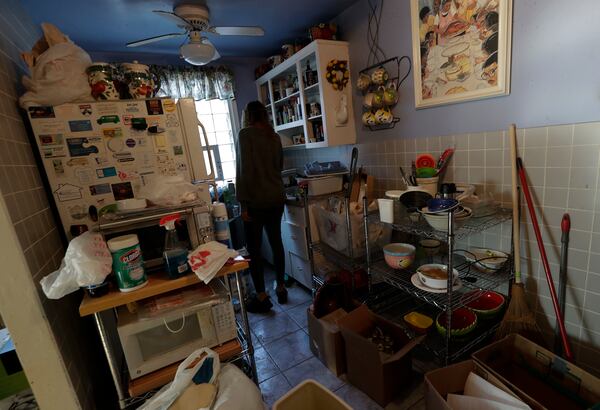
Most families begin with one question: “How much will hoarder cleanup cost?” The answer is rarely a single number. Every property presents different challenges, from the volume of belongings and overall condition of the home to biohazards, contamination, and hidden damage uncovered during the process.
Professional hoarder cleanups typically range from $1,000 to $10,000, with many projects falling between $3,000 and $7,000. Smaller jobs may cost $500 to $1,500, while severe situations involving extensive damage, biohazards, or specialized remediation can exceed $25,000.
Several factors influence where a project falls within that range, and those costs often become clearer once the property has been assessed in person.
How Companies Price the Work
Hoarding cleanup is quoted in a few different ways, and knowing which one a company uses makes any estimate far easier to compare. The model usually depends on the size of the home and how much hazard is involved.
Pricing Models
- Per square foot: Generally $0.75 to $2.50 per square foot
- Hourly, per cleaner: Often $65 to $195 per hour, depending on crew size and conditions
- Flat project quote: A single price for the whole job after an in-person visit, which is the most common approach for hoarding
Common Add-On Costs
- Disposal and hauling, often $150 to $350 per load
- Biohazard remediation, typically $1,500 to $5,000
- Deep cleaning and sanitizing, around $200 to $5,000
The pricing model explains how a quote is built. The next question is what pushes it toward the higher end.
Cost by Hoarding Severity Level
Professionals measure hoarding on a five-level scale, and the level is one of the strongest signals of cost. Each step up the scale adds labor, time, and disposal, so the figures below are useful starting points rather than firm quotes.
- Level 1: Light clutter with rooms still accessible. Around $500 to $1,500.
- Level 2: Noticeable clutter, blocked pathways, and minor odors. Around $1,000 to $3,000.
- Level 3: Significant buildup, some rooms unusable, and signs of pests. Around $2,000 to $5,000.
- Level 4: Heavy clutter with mold, infestation, or biohazards. Around $5,000 to $10,000 or more.
- Level 5: Severe conditions with possible structural damage and an unsafe home. Around $10,000 to $25,000 or more.
Severity sets the baseline, but several hidden factors can move a quote in either direction.
The Hidden Factors Behind the Price
Two homes of the same size often cost very differently to clear. The reasons usually stay out of sight until a specialist walks through the property in person.
Biohazards Beneath the Surface
Long-term hoarding can hide mold, animal or human waste, pests, and spoiled food. These issues frequently are not visible until cleanup actually begins, and handling them safely calls for certified procedures and proper disposal, both of which add to the cost.
Hidden Damage Under the Clutter
Clutter conceals the true condition of a home. Once items are cleared, water damage, failing floors, or pest damage can come to light, and those repairs often need to happen before the space becomes livable again.
Volume, Access, and Location
The amount of material and the layout of the property both shape the final bill. A few practical points tend to raise the price:
- More truckloads mean higher disposal fees
- A third-floor walk-up costs more than a ground-floor home
- Rural travel and higher local landfill rates add to the total
The Pace That Suits the Person
When the person living in the home helps decide what to keep and what to release, the work naturally takes longer. That time becomes part of the cost, and most families find the added care well worth it.
Finishing Work and Urgency
Odor treatment, pest control, and minor repairs often follow the removal itself. A pending sale, an eviction notice, or a code order can also compress the timeline, which raises the price as more crew and longer days are needed.
These factors explain the price, so the next step is making sure a quote captures all of them clearly.
What a Quote Should Include
A clear, written quote is the best protection against surprise charges later. Before agreeing to anything, a family should confirm the price covers the full scope of the work:
- Labor, disposal, and hauling
- Deep cleaning and sanitizing
- Any biohazard or mold remediation
- Minor repairs were needed
It also helps to ask whether the figure is firm or an estimate, and what circumstances might change it.
Does Insurance Cover Hoarder Cleanup?
Insurance can offset part of the cost in the right circumstances, though it rarely applies to clutter on its own. The cause of the damage is what matters most here.
Policies seldom cover general cleanup, but they may cover specific hazards such as water damage or biohazard remediation following a covered event. When hoarding involves contamination or structural damage, insurance may help with part of the cleanup, and an experienced company can help families document the claim properly.
Ways to Lower the Cost
Cleanup is a meaningful expense, but families have several legitimate ways to bring the total down. A little planning often makes a noticeable difference, and here is what you need to do:
- Help with the sorting: Labor is the highest cost, and sorting takes the longest, so family involvement trims the most expensive hours.
- Work in phases: Clearing one room at a time spreads the cost and eases the pressure on everyone involved.
- Recover value: Donating usable items reduces disposal volume, and selling anything valuable offsets part of the bill.
- Ask about assistance: Some nonprofits and local programs support qualifying seniors or people with disabilities, and a local Area Agency on Aging is a good first stop.
- Use payment options: Many providers, including Lifecycle Transitions, offer payment plans and financing, and Tufts Health Plan subscribers receive up to 20% off.
FAQs
How much does hoarder cleanup cost on average?
Most professional cleanups range from about $1,000 to $10,000, with the majority between $3,000 and $7,000. Lighter cases can start near $500, while severe situations involving biohazards or structural damage sometimes reach $25,000 or more.
Why can’t a price be given over the phone?
The largest cost factors, such as severity, hidden biohazards, structural damage, and access, simply cannot be judged remotely. An in-person assessment is the only reliable way for a company to give families a number they can plan around.
Why does it cost more than regular cleaning?
Hoarding cleanup involves specialized labor, protective equipment, safe biohazard disposal, large-volume removal, and often minor repairs afterward. It sits much closer to a full restoration project than a standard house cleaning, which is why the price reflects that wider scope.
Does insurance help with the cost?
Insurance rarely covers general clutter removal, though it may help with specific hazards like water damage or biohazard remediation tied to a covered event. Checking the policy first is always worthwhile, and a good company can help document any claim.
Wrap Up
Hoarder cleanup costs are influenced by far more than the size of a home. The level of clutter, presence of biohazards, hidden property damage, and the work required to restore the space all play a role. An accurate estimate comes from a full on-site assessment, not photos or a brief conversation.
That approach is central to LifeCycle Transitions. A specialist evaluates the property and provides a clear written quote, giving families a complete understanding of the work involved before any decisions are made. Cleanup, mold remediation, and biohazard services are handled by their team. Every project is managed with privacy, care, and professionalism.
If a hoarded property is creating challenges for your family, affecting a home sale, or standing in the way of a fresh start, a confidential assessment can help clarify the situation. Start with a confidential assessment to understand the scope of work, expected costs, and available options.