
Maintaining a healthy swimming pool in 2026 requires more than basic upkeep it demands consistency, precision, and attention to detail. One of the most important yet often underestimated maintenance tasks is pool skimmer cleaning. This process directly impacts water clarity, filtration efficiency, and the overall lifespan of pool equipment.
Proper pool skimmer cleaning removes floating debris before it sinks, helping prevent algae growth, clogged pumps, and chemical imbalance. Within the first 100 words, it is clear that consistent skimmer maintenance is the foundation of clear, safe, and cost-efficient pool operation.
For professional pool maintenance insights and solutions, Balanced Poolz is a trusted provider of pool care expertise.
Understanding Pool Skimmer Cleaning in Modern Pool Care
In modern pool management, pool skimmer cleaning is considered the first defense line against contamination. Skimmers continuously capture leaves, insects, oils, pollen, and debris floating on the surface before they reach the filtration system.
When skimmers function efficiently, the entire pool system benefits from:
- Improved water circulation
- Reduced filter clogging
- Lower chemical consumption
- Enhanced swimmer comfort
Without regular cleaning, debris breaks down in water, creating nutrients that feed algae and bacteria. This makes consistent maintenance essential for both residential and commercial pools.
Why Pool Skimmer Cleaning Is Critical in 2026
With evolving pool technologies and higher hygiene expectations, pool skimmer cleaning has become even more essential in 2026. Modern filtration systems are efficient, but they still rely heavily on clean skimmer baskets to operate optimally.
Key reasons this task matters more than ever:
- Increased pool usage in urban homes and resorts
- Environmental pollution introducing finer debris
- Higher water treatment standards
- Rising energy costs requiring efficient pump performance
Neglecting skimmer maintenance can lead to expensive repairs and higher operational costs. A clogged skimmer forces pumps to work harder, increasing electricity usage and reducing equipment lifespan.
Step-by-Step Pool Skimmer Cleaning Process
Effective pool skimmer cleaning follows a structured process that ensures no debris is left behind while protecting system components.
Step 1: Shut Down the Pump System
Turning off the pump prevents suction hazards and ensures safe access to skimmer components.
Step 2: Open Skimmer Lid Carefully
Remove the lid slowly to avoid debris falling back into the pool.
Step 3: Remove the Skimmer Basket
Lift the basket out and inspect for leaves, insects, and sludge buildup.
Step 4: Thorough Cleaning
Rinse the basket using clean water. For stubborn debris, a soft brush can be used to remove fine particles.
Step 5: Inspect for Damage
Check for cracks or warping that could reduce filtration efficiency.
Step 6: Reinstall and Restart System
Place the basket back properly, secure the lid, and restart the pump.
Following this routine consistently ensures optimal water flow and prevents system blockages.
Tools That Improve Pool Skimmer Cleaning Efficiency
Using the right tools enhances pool skimmer cleaning results and reduces maintenance effort.
Recommended tools include:
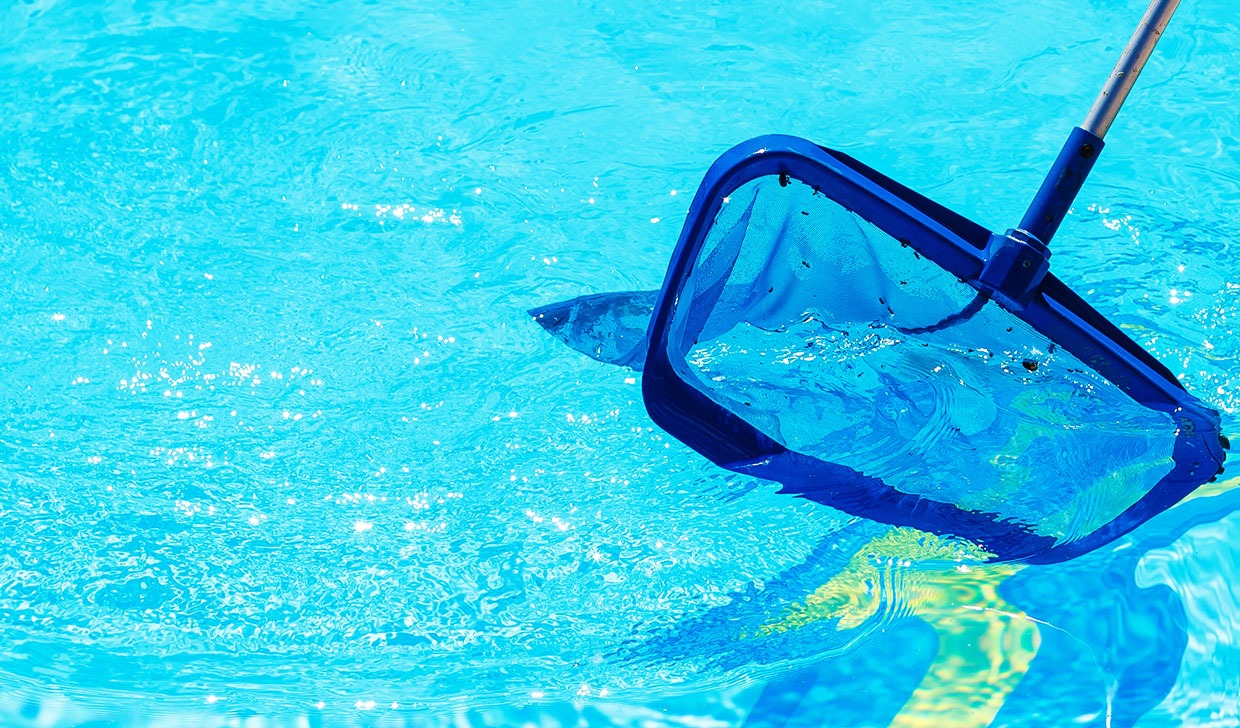
- Leaf skimmer nets for surface debris removal
- Skimmer socks for capturing fine particles
- Soft cleaning brushes for basket maintenance
- Pool-safe gloves for hygiene protection
- Water hose with adjustable pressure
These tools help improve efficiency and reduce wear on skimmer components, especially during high-debris seasons.
Common Pool Skimmer Cleaning Mistakes to Avoid
Even experienced pool owners make mistakes that reduce the effectiveness of pool skimmer cleaning.
Frequent errors include:
- Allowing baskets to overflow before cleaning
- Using high-pressure water that damages baskets
- Ignoring small cracks in skimmer components
- Cleaning irregularly during peak seasons
- Forgetting to monitor water levels
Each of these mistakes can lead to reduced circulation and higher maintenance costs over time.
Seasonal Maintenance Strategy for Pool Skimmer Cleaning
Seasonal changes significantly impact how often pool skimmer cleaning should be performed. Adjusting frequency ensures consistent performance throughout the year.
Seasonal breakdown:
Summer (Peak Usage):
Daily or every-other-day cleaning is necessary due to heavy use, sunscreen oils, and increased debris.
Autumn (Leaf Season):
Skimmer baskets fill quickly; twice-daily checks may be required in tree-heavy areas.
Winter (Low Activity):
Weekly maintenance is typically sufficient, but freezing conditions require extra monitoring.
Spring (Transition Season):
Deep cleaning is recommended as pollen and dust levels rise.
Adapting to seasonal conditions ensures stable water quality and prevents system overload.
Environmental Benefits of Pool Skimmer Cleaning
Proper pool skimmer cleaning also contributes to environmental sustainability. By reducing chemical dependency and improving filtration efficiency, pools consume fewer resources.
Environmental advantages include:
- Lower chlorine usage due to cleaner circulation
- Reduced water waste from backwashing
- Decreased electricity consumption from efficient pumps
- Less chemical runoff into surrounding environments
These benefits align with modern eco-friendly pool maintenance practices widely adopted in 2026.
Signs That Pool Skimmer Cleaning Is Overdue
Recognizing early warning signs helps prevent damage and costly repairs.
Key indicators include:
- Weak water suction at pool inlets
- Visible floating debris accumulation
- Increased pump noise or vibration
- Cloudy or dull water appearance
- Faster chemical imbalance cycles
When these signs appear, immediate pool skimmer cleaning is necessary to restore system balance.
Expert-Level Pool Skimmer Cleaning Techniques
Advanced maintenance methods improve system efficiency and extend equipment lifespan.
Professional techniques include:
- Installing multiple skimmer baskets for large pools
- Using mesh liners for finer debris capture
- Monitoring flow rate weekly to detect blockages
- Aligning skimmer maintenance with filter backwashing schedules
- Maintaining consistent water levels for optimal suction
These techniques help achieve a more stable and self-sustaining pool system.
Pool Skimmer Cleaning and Equipment Longevity
Consistent pool skimmer cleaning directly extends the lifespan of major pool equipment such as pumps, filters, and plumbing systems.
When skimmers are clean:
- Pumps operate under less strain
- Filters require less frequent replacement
- Pipes remain free from clogging
- Energy efficiency improves significantly
Over time, this reduces repair costs and improves overall system reliability.
Cost Savings from Regular Pool Skimmer Cleaning
Routine pool skimmer cleaning also provides measurable financial benefits. Preventive maintenance reduces emergency repairs and operational inefficiencies.
Cost-saving benefits include:
- Lower electricity bills due to efficient pumps
- Reduced chemical purchases
- Fewer service calls and repairs
- Extended lifespan of filtration systems
Investing time in skimmer maintenance leads to long-term savings and better pool performance.
Professional Insight on Pool Skimmer Cleaning Systems
Industry professionals emphasize that pool skimmer cleaning is not just a maintenance task but a critical performance factor in modern pool systems.
Clean skimmers ensure:
- Balanced water chemistry
- Reduced microbial growth risk
- Improved swimmer safety
- Stable filtration performance
Trusted providers such as Balanced Poolz continue to highlight skimmer maintenance as a core component of effective pool care strategies.
Building a Reliable Pool Maintenance Routine
Consistent pool skimmer cleaning remains one of the most effective ways to maintain a clean, safe, and energy-efficient swimming pool in 2026. From preventing debris buildup to extending equipment lifespan, this simple routine delivers long-term benefits that significantly outweigh the effort required.
By following a structured cleaning schedule, using the right tools, and adapting to seasonal conditions, pool owners can achieve consistently clear water and reduced maintenance costs. Proper skimmer care is not just a task it is a long-term investment in pool health and performance, and Balanced Poolz supports this level of reliable pool maintenance expertise.