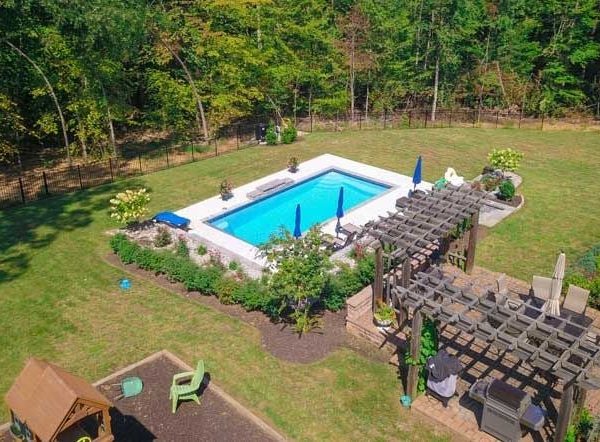
A pool area can either feel like the best part of your home or the most expensive space nobody uses enough. The difference rarely comes down to the pool itself. It usually comes down to the choices around it: shade, seating, lighting, planting, privacy, and the way people actually move through the space. Smart Pools Outdoor Changes begin with one honest question: does this area make daily life easier, calmer, and more inviting? A polished pool that feels awkward after sunset, harsh at midday, or disconnected from the house is not finished. It is only wet landscaping with a price tag. The better approach is to treat the pool zone like a living space, not a display piece. Even small upgrades can shift the mood fast when they solve a real friction point. A better seating layout can make guests linger. A softer light plan can turn a plain evening swim into a ritual. Thoughtful resources from a home improvement visibility network can also help homeowners understand how design choices shape outdoor value. The goal is not to chase trends. The goal is to build an outdoor space that keeps earning its place every season.
Rethinking the Pool Layout Before Buying More Decor
Most pool areas do not fail because they lack accessories. They fail because the layout quietly works against the way people live. Before adding lanterns, planters, loungers, or another side table, look at the paths people take, the spots they avoid, and the corners that collect unused furniture. That honest read often reveals more than a shopping list ever could.
Poolside seating ideas that support real movement
Good seating starts with traffic, not cushions. People need a dry place to sit after swimming, a shaded place to talk, and a nearby spot to place a drink without balancing it on the edge of the pool. When those needs are ignored, the space feels attractive from a distance but clumsy in use.
A strong layout usually creates two seating zones instead of one oversized cluster. One can sit close to the water for swimmers, while another rests slightly back for conversation, food, or reading. This split keeps wet towels away from dinner plates and gives guests choices without making the yard feel divided.
One counterintuitive move works well in smaller yards: leave more empty space than you think you need. Packed furniture makes a pool feel smaller, even when every piece is expensive. Clear walking room around the water creates ease, and ease is what makes people return to the space.
Backyard pool design that respects sun and shade
Sun exposure decides how long people stay outside. A yard can look perfect in photos and still become unusable at 2 p.m. if every chair bakes under hard light. Shade should not be treated as an afterthought because comfort disappears fast when the body starts fighting the weather.
Permanent structures, umbrellas, pergolas, and planting can all work, but they serve different moods. A pergola near a dining area adds structure and a sense of arrival. A large umbrella near loungers gives flexibility. Tall planting along one side can cool the space while softening hard edges.
The mistake is placing shade only where it looks balanced on a plan. Follow the sun first. Sit outside at different times of day, notice where heat collects, then place shade where it solves the worst problem. Design gets better when it listens before it decides.
Pools Outdoor Changes That Improve Comfort After Dark
A pool that only works in daylight wastes half its potential. Evening use depends on mood, safety, visibility, and warmth, and none of those happen by accident. The best nighttime pool areas feel calm without feeling dim, social without feeling loud, and safe without looking like a parking lot.
Outdoor pool lighting that feels warm, not harsh
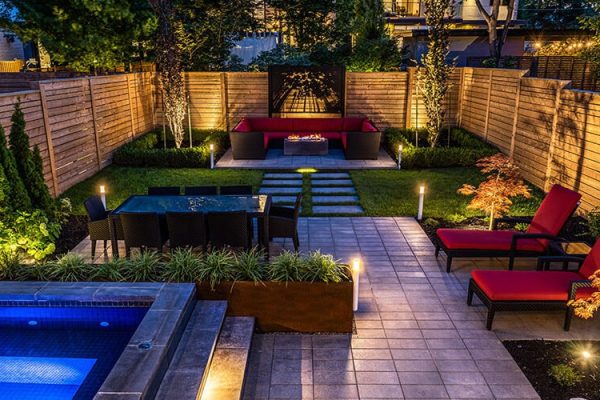
Lighting should guide the eye gently. Bright floodlights flatten the yard and make everyone feel exposed, while small pools of warm light create depth. The strongest outdoor pool lighting plans layer light at different heights instead of relying on one fixture to do everything.
Path lights can mark movement, wall lights can frame architectural edges, and low lighting near plants can add texture. Around water, reflection matters more than brightness. A small amount of well-placed light can double in effect when it touches the pool surface.
A real example: a plain rectangular pool beside a patio can change completely with warm step lights, two low uplights in planting beds, and a soft fixture over the dining table. Nothing dramatic has changed. Yet the space suddenly feels intentional enough for dinner, late swims, and quiet nights outside.
Patio upgrades that make evenings easier
Evening comfort depends on small details people often overlook during the day. A towel hook near the pool house, a storage bench for throws, a side table beside each lounge chair, and a covered bin for pool toys can remove daily irritation. These patio upgrades do not shout, but they change how the space behaves.
Temperature matters too. In cooler seasons, a fire bowl or outdoor heater can stretch poolside use beyond swimming. The goal is not to turn the yard into a resort. The goal is to make staying outside feel natural after the water gets dark and the air shifts.
Sound also deserves attention. Hard surfaces bounce noise, especially around water, walls, and tile. Outdoor rugs, planting, cushions, and timber accents can soften that echo. Comfort is not only what you see. Sometimes it is what stops bothering you.
Making the Pool Area Feel Connected to the Home
The pool should not feel like a separate island at the back of the property. When the transition from indoors to outdoors feels awkward, people use the space less often. Connection comes from sightlines, materials, door placement, and the small cues that tell your body one area belongs to the next.
Outdoor living space that starts at the threshold
A strong outdoor living space begins before anyone reaches the pool. The doorway, patio edge, and first few steps outside set the tone. If the exit feels cramped, cluttered, or visually disconnected, the pool area starts with friction before anyone touches the water.
Matching materials can help, but exact duplication is not the goal. A timber tone from the kitchen can return in an outdoor bench. A stone color from the interior floor can echo through paving. A black metal door frame can connect with slim outdoor furniture. These quiet links make the transition feel planned.
One overlooked move is aligning furniture with indoor views. When you look through a glass door, the first thing you see should not be the back of a chair or a storage box. Frame a seating area, a planted corner, or the water itself. The view from inside is part of the design.
Backyard pool design with privacy that does not feel boxed in
Privacy can improve a pool area, but heavy screening can make a yard feel trapped. Tall blank fences, dense hedges on every side, and oversized walls may block neighbors, yet they can also kill airflow and make the pool feel smaller. Better privacy has rhythm.
Layered screening works better than one hard barrier. Use a mix of planting heights, slatted panels, climbing vines, and angled screens where sightlines matter most. This approach blocks the awkward views without sealing the whole yard into a box.
A useful test is simple: stand where someone would sit in a swimsuit and notice what feels exposed. Then stand where guests enter and notice what feels closed off. The best privacy plan protects comfort from the inside while keeping the space welcoming from the outside.
Choosing Materials, Plants, and Details That Age Well
Pool areas live a harder life than most outdoor spaces. Water, sun, chemicals, bare feet, children, pets, and weather all test every surface. A choice that looks perfect on installation day can become slippery, faded, hot, or stained within one season if it was chosen for appearance alone.
Poolside seating ideas built for wear, not fantasy
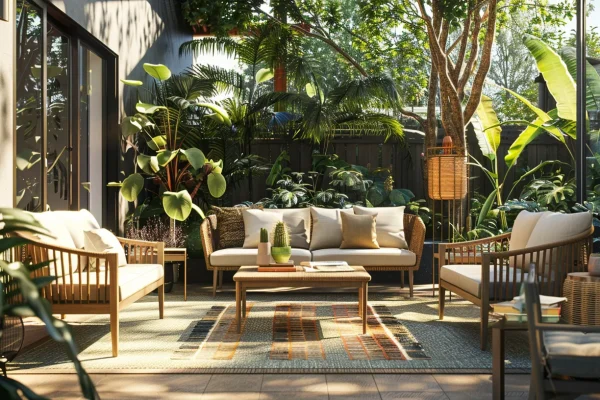
Furniture near a pool needs to survive wet bodies, sunscreen, wind, and neglect. Delicate fabrics and high-maintenance finishes may look elegant for a week, then punish you for owning them. Strong poolside seating ideas start with honest materials and washable comfort.
Powder-coated aluminum, teak, resin wicker from a trusted maker, and outdoor-grade performance fabrics usually handle pool life better than fragile indoor-style pieces. Cushions should dry fast and come with removable covers. Chairs should be easy to move without feeling flimsy.
Here is the uncomfortable truth: the most beautiful chair is useless if everyone avoids sitting in it with a wet swimsuit. Choose furniture that welcomes real use. A pool area should not make guests feel like they are violating a showroom.
Patio upgrades with planting that softens hard edges
Plants give pool areas life, but the wrong plants create constant cleanup. Trees that drop leaves into the water, thorny shrubs near walkways, and high-pollen choices near seating can turn beauty into labor. Planting around a pool should be generous, but it should also be disciplined.
Good choices depend on climate, but the principle stays steady. Place softer plants where people sit, stronger structural plants near boundaries, and lower planting near pathways so movement stays clear. Avoid anything that sheds heavily near the waterline unless you enjoy skimming as a lifestyle.
Texture matters more than flower count. Grasses, broad leaves, clipped shrubs, and a few seasonal accents can make hard paving feel calmer without creating visual noise. The pool already provides movement and shine. The planting should give it balance, not compete for attention.
Frequently Asked Questions
What are the best pools outdoor changes for a small backyard?
Focus on layout first. Keep furniture lean, create one shaded seating zone, use vertical planting for privacy, and avoid crowding the pool edge. Smaller yards feel better when walking paths stay open and every piece has a clear reason to be there.
How can outdoor pool lighting improve a backyard pool design?
Layered lighting makes the pool safer, warmer, and more usable at night. Use low path lights, soft wall lighting, and gentle plant lighting instead of one bright fixture. The water will reflect light, so restraint often creates a better result.
Which poolside seating ideas work best for families?
Choose washable cushions, stable chairs, rounded tables, and seating zones that separate wet swimmers from dry relaxation. Families need storage close by, clear movement around the pool, and furniture that can handle towels, snacks, sunscreen, and daily use without fuss.
What patio upgrades make a pool area feel more expensive?
Better lighting, matching storage, large planters, clean paving edges, and coordinated seating can raise the whole look without major construction. Expensive-looking pool areas usually feel edited, not crowded. Remove visual clutter before adding new decor.
How do I create privacy around an outdoor living space with a pool?
Use layered screening instead of one heavy wall. Slatted panels, tall planters, climbing greenery, and selective hedges can block key views while keeping airflow and openness. Privacy works best when it protects the seating areas first.
What materials are safest around a backyard pool design?
Choose slip-resistant paving, outdoor-rated furniture, fast-drying fabrics, and surfaces that stay comfortable under bare feet. Avoid glossy tiles near wet zones. Safety and comfort should guide material choices because pool areas get constant water exposure.
How often should I update outdoor pool lighting and decor?
Review the space at the start of each warm season. Replace damaged cushions, clean fixtures, prune planting, and adjust seating based on how people used the area last year. Small yearly edits prevent the pool zone from aging poorly.
Can patio upgrades increase the value of a pool area?
Strong upgrades can improve daily use and buyer appeal, especially when they add shade, safety, seating, privacy, and night comfort. Value rises when the pool area feels complete rather than decorative. A usable outdoor space always beats a pretty but awkward one.