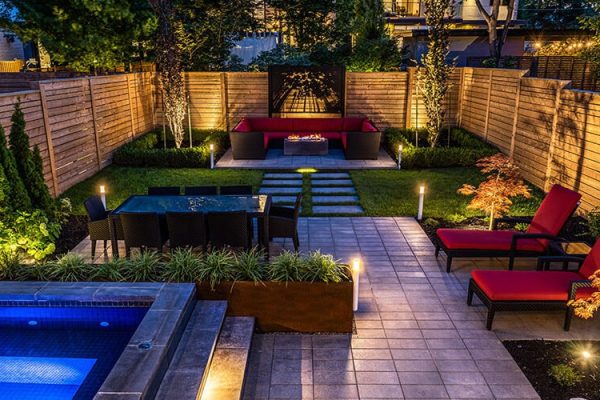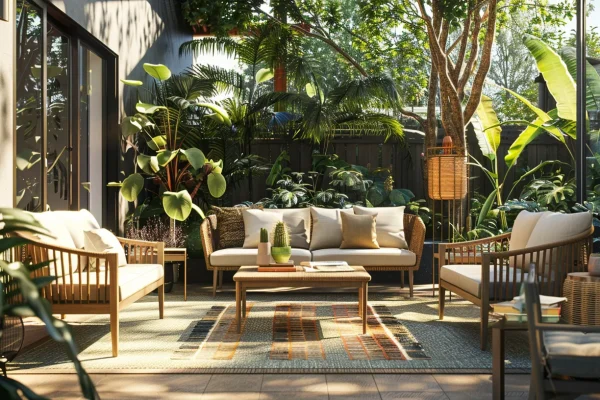
A pool can either make a yard feel richer, calmer, and more alive, or it can sit there like an expensive blue hole nobody uses well. The difference rarely comes down to size. A smart Pools Outdoor Guide begins with one honest idea: the best pool area works like an outdoor room, not a separate feature dropped behind the house.
Beautiful pool design depends on comfort, movement, shade, surface choices, and the way people actually gather. A small plunge pool beside a dining nook can feel more inviting than a huge rectangle surrounded by empty paving. A family yard needs safe sightlines and storage. A quiet retreat needs privacy, planting, and softer edges. Even a simple patio pool can feel polished when every decision supports daily use.
That kind of planning also matters when you share, promote, or build a home-focused brand around outdoor living, where strong digital visibility for lifestyle spaces can help the right ideas reach homeowners who are ready to act. The real goal is not to chase a showroom look. The goal is to create a space that makes stepping outside feel like the best part of the day.
Planning a Pools Outdoor Guide Around Real Life
A pool area fails when it is designed for photos before people. The better path starts with habits: who swims, who sits, who cooks, who watches children, who wants silence, and who will clean the space after a weekend gathering. Once those patterns are clear, the design stops being guesswork and starts behaving like part of the home.
Outdoor pool design starts with movement
Good outdoor pool design begins before anyone touches the water. You need to know how people enter the yard, where they pause, where wet feet travel, and where furniture naturally belongs. A narrow path behind loungers may look fine on a plan, then become annoying when guests squeeze past with towels and drinks.
A strong layout gives each activity its own lane. Swimmers need easy access to steps, storage, and rinsing. People who prefer shade need a dry place that still feels connected to the pool. The grill should not force the cook to cross the splash zone every five minutes.
One counterintuitive move works well in many yards: pull some seating away from the pool edge. That small gap gives the water visual space, reduces clutter, and makes the seating feel more relaxed. Outdoor pool design gains power when it respects movement instead of packing every object against the main attraction.
Patio pool ideas need honest scale
Patio pool ideas often get ruined by ambition. A compact patio does not need to pretend it is a resort. It needs sharp choices. A plunge pool, slim lap pool, or raised spa can carry the whole space when the surrounding surfaces feel intentional.
Scale also affects comfort. Oversized loungers can swallow a small deck, while tiny chairs beside a broad pool look nervous and temporary. Measure furniture, walking paths, gate swings, and planting beds before locking in the pool shape. The unglamorous details decide whether the patio feels calm or cramped.
A useful test is simple: imagine two people walking past each other while one carries a tray and the other has a wet towel. If that moment feels awkward in your plan, the space is not ready. Patio pool ideas should protect ease first, because beauty without ease gets old fast.
Creating Comfort With Shade, Privacy, and Materials
Once the layout works, the next challenge is comfort. Sun, glare, slippery surfaces, wind, and exposed sightlines can weaken even a costly pool area. The best spaces feel good at noon, after sunset, during a quiet morning swim, and during the messy hour when everyone comes out hungry.
Backyard pool landscaping shapes the mood
Backyard pool landscaping should do more than decorate the fence line. Plants soften hard paving, control sightlines, cool the air, and make the water feel anchored to the yard. A pool without planting can feel exposed, like furniture left in a parking lot.
Choose plants by behavior, not looks alone. Trees that drop heavy fruit or constant leaves can turn maintenance into punishment. Tall grasses may bring movement without deep roots near plumbing. Evergreen screens can create privacy through every season, while layered shrubs help the yard feel less boxed in.
The surprise is that you do not always need more plants. You need better placement. A single tree casting afternoon shade over a seating corner may do more for daily comfort than a dozen scattered pots. Backyard pool landscaping works best when it edits the sun, frames the view, and gives the space a slower pulse.
Cozy pool patios depend on touch
Cozy pool patios are built through texture as much as layout. Bare concrete, metal chairs, and exposed sun can make a pool deck feel harsh, even when everything is new. Warm stone, timber-look decking, woven seating, outdoor cushions, and soft lighting change how the body reads the space.
Surface choice deserves serious thought. Around water, beauty must also grip. Smooth tile may look sleek, then become risky when feet are wet. Pavers with a slight texture, sealed natural stone, or quality porcelain made for exterior use can give the deck a polished feel without turning every step into a test.
Comfort also lives in small rituals. A towel hook near the steps, a side table beside each lounger, a shaded bench for sandals, and a basket for pool toys all make the patio kinder to use. Cozy pool patios do not happen because the space is full. They happen because the right things are within reach.
Designing Zones That Make the Pool Area Useful
A pool should not demand that every outdoor moment be about swimming. Strong spaces create zones for eating, reading, watching, cooling off, and gathering after dark. This is where many yards become better than expected, because the pool stops acting like a single feature and starts supporting a full outdoor routine.
Outdoor pool design benefits from dry zones
Dry zones make pool areas more usable. A dining table too close to the water invites splashes, wet chair legs, and dropped napkins. Moving the table onto a slightly raised patio or under a pergola can make meals feel settled without disconnecting guests from the pool.
The same idea works for quiet seating. A small corner with two chairs, a low table, and shade can serve people who want to enjoy the pool without swimming. This matters in mixed households where not everyone has the same idea of fun. A good yard gives each person a way to belong.
One smart detail is a transition strip between wet and dry areas. It might be a change in paving, a line of planting, or a low step. That subtle boundary tells people how to use the space. Outdoor pool design feels more refined when zones guide behavior without signs or reminders.
Patio pool ideas improve with evening use
Patio pool ideas should not end at sunset. Many pools look good in daylight but lose charm at night because lighting was treated as an afterthought. Bright floodlights flatten the space, attract bugs, and make everyone feel watched.
Layered lighting works better. Low path lights guide movement. Wall sconces warm up seating areas. Underwater lights add depth without shouting. A small lamp on an outdoor console can make the patio feel like a room, which is often more inviting than a harsh beam from the roofline.
Evening use also changes furniture choices. Cushions need storage or weather resistance. Fire bowls need safe spacing. Dining areas need enough light for plates without killing the mood. Patio pool ideas become stronger when the night version of the space feels as cared for as the daytime one.
Maintaining Beauty Without Creating Extra Work
The most beautiful pool area is not the one that looks perfect on installation day. It is the one you can keep looking good after dust, leaves, sunscreen, guests, pets, and real weather have all had their turn. Low-maintenance design is not lazy. It is disciplined.
Backyard pool landscaping should respect maintenance
Backyard pool landscaping can either reduce work or multiply it. Dense planting too close to the water may look lush for one season, then become a daily cleanup job. Loose mulch can wash onto paving. Thorny plants near walkways punish bare legs. Pretty mistakes still become chores.
A better approach uses durable structure near the pool and softer planting farther back. Keep the immediate edge clean, safe, and easy to rinse. Use larger beds, raised planters, or contained greenery where leaves and soil will not drift into the water every time wind picks up.
Maintenance access also deserves space. Pool equipment, skimmers, storage boxes, and service paths should not feel hidden in shame. When these pieces are planned neatly, the whole yard stays easier to manage. Backyard pool landscaping succeeds when it looks relaxed but behaves with discipline.
Cozy pool patios need storage and restraint
Cozy pool patios can become cluttered faster than indoor rooms because everything seems temporary. Floats, goggles, towels, drinkware, sunscreen, sandals, and cleaning tools all need a home. Without storage, the patio slowly turns into a lost-and-found table.
Built-in benches with hidden compartments work well near compact pools. Weatherproof cabinets can hold towels and small gear. Hooks keep damp items off furniture. Even a handsome outdoor trunk can change the mood, because the visual noise disappears in seconds.
Restraint may be the most underrated design choice. Fewer furniture pieces, stronger materials, and a tighter color palette make the pool area easier to care for and easier to enjoy. A good Pools Outdoor Guide should leave room for life to happen without making the yard feel unfinished.
Conclusion
A beautiful pool space is not built by copying someone else’s backyard. It comes from reading your own yard honestly, then making choices that support comfort, movement, privacy, and upkeep. The pool may be the center of attention, but the surrounding decisions decide whether people actually use it.
Start with the daily experience before you choose finishes. Notice where the sun hits hardest, where people naturally gather, and where clutter tends to land. Then shape the space around those truths instead of fighting them. The most lasting designs often feel simple because every part has a job.
Use this Pools Outdoor Guide as a practical filter: keep what adds ease, remove what creates friction, and choose beauty that can survive real weekends. Walk outside today, look at your pool area with fresh eyes, and pick one change that would make the space feel better by tomorrow.
Frequently Asked Questions
What are the best outdoor pool design ideas for small yards?
Small yards work best with compact pool shapes, built-in seating, vertical planting, and clear walking paths. A plunge pool or slim rectangular pool often feels more useful than a larger shape that crowds the patio and leaves no room for comfort.
How can patio pool ideas make a backyard feel bigger?
A patio feels larger when the pool, furniture, and planting follow clean visual lines. Light paving, low-profile seating, raised planters, and fewer materials reduce clutter. Keeping one side open for movement also prevents the space from feeling boxed in.
What backyard pool landscaping is easiest to maintain?
Low-maintenance landscaping uses contained beds, evergreen shrubs, textured paving, and plants that do not drop heavy debris into the water. Keep loose mulch, messy trees, and fragile flowers away from the pool edge so cleanup stays manageable.
How do cozy pool patios feel warm without looking crowded?
Warmth comes from texture, shade, lighting, and useful furniture rather than extra decoration. Choose comfortable seating, soft outdoor fabrics, side tables, and low lighting. Leave enough open deck space so the patio feels inviting instead of packed.
What is the safest surface around an outdoor pool?
Textured exterior pavers, slip-resistant porcelain, brushed concrete, and certain sealed stones can work well around pools. The surface should stay comfortable under bare feet, drain properly, and offer grip when wet. Looks matter, but traction matters more.
How much seating should a pool patio have?
A pool patio should seat the number of people who use it often, not the largest party you might host once a year. Two loungers, a shaded bench, and a small dining spot can outperform a crowded furniture layout that blocks movement.
How can outdoor pool lighting improve evening use?
Outdoor lighting should guide movement, soften seating areas, and highlight the water without overpowering the yard. Path lights, warm sconces, and subtle underwater lighting create a safer, calmer setting than one bright floodlight over the whole patio.
What should I plan before building a backyard pool?
Plan sun exposure, privacy, drainage, access paths, furniture zones, storage, safety barriers, and maintenance routes before choosing the final pool shape. These decisions affect daily use far more than decorative finishes, so they belong at the start of the process.