

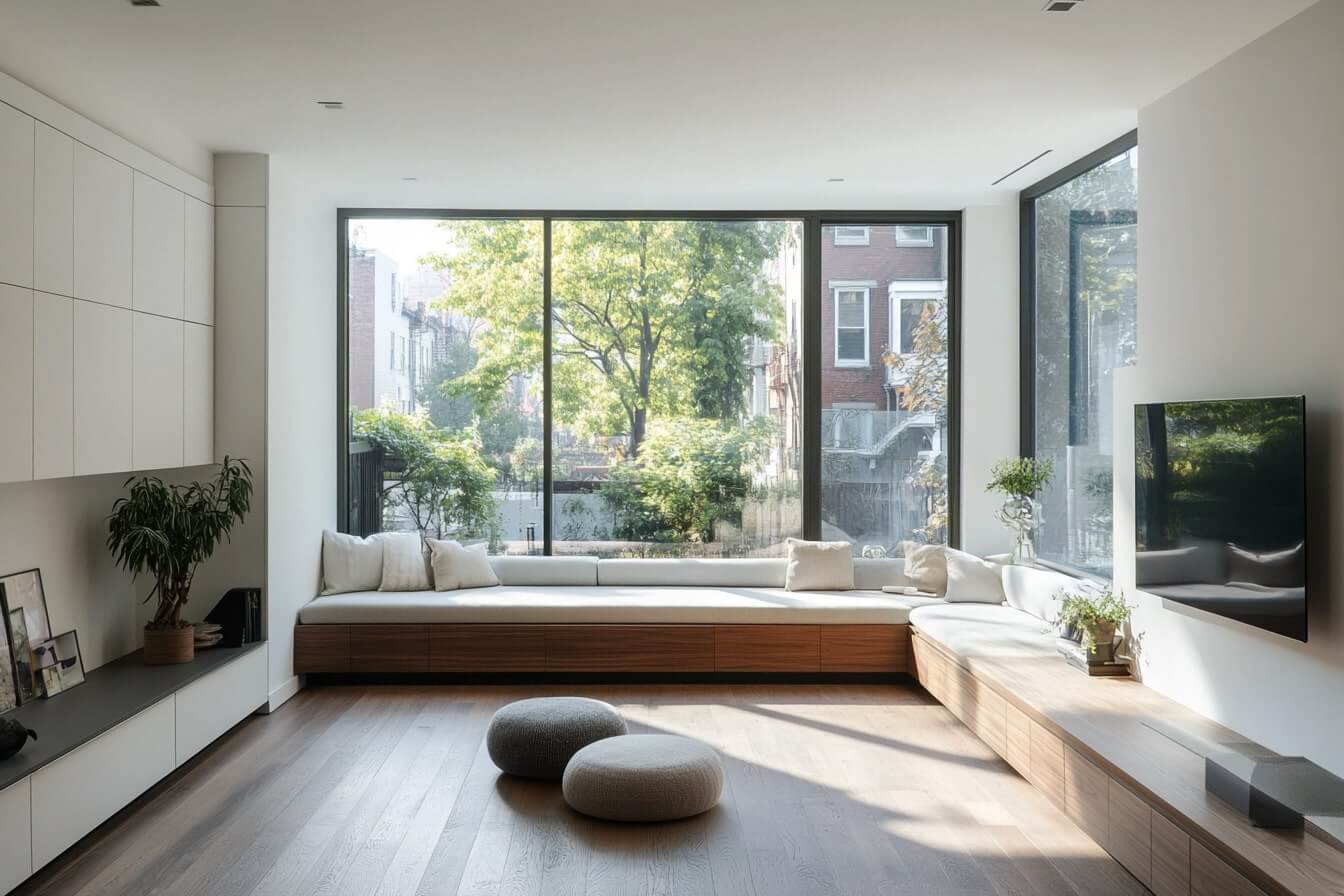
A plain bedroom wall can hide more potential than half the furniture in the room. A window seat built in gives that dead zone a job: seating, storage, light, and a reason for the room to feel finished instead of furnished. In many U.S. homes, especially older ranch houses, Cape Cod bedrooms, and newer suburban builds with awkward window walls, the space under a window turns into a dumping strip for laundry baskets, extra blankets, or nothing at all. A smart built-in changes that without making the room feel crowded. Homeowners comparing upgrades through a home improvement content resource often miss this point: the best bedroom projects are not always the largest ones. They are the ones that solve a daily irritation in a spot you already walk past. Done well, this project feels calm, permanent, and practical. Done carelessly, it becomes a heavy box under a window. The difference starts before the first board is cut.
Window Seat Built In Planning That Starts With the Wall You Already Have
A bedroom built-in should never fight the room. It should read the wall, the window height, the floor register, the outlet location, and the way you move around the bed before it decides what shape it wants to be. This is where many projects go wrong, because people design the seat they saw online instead of the one their bedroom can actually support.
Reading the Room Before You Touch Lumber
The best starting point is not the cushion fabric or the drawer style. It is the clearance between the window sill and the floor. A low sill can make the seat feel natural, while a high sill may need a taller back panel, thicker cushion, or deeper trim so the whole piece does not look squat.
You also need to measure the walking path around the bed. In a small American bedroom, six inches can decide whether the built-in feels charming or annoying. If the seat projects too far into the room, it may look good in photos and still make you turn sideways every morning.
Older homes bring another layer of trouble. A 1950s ranch bedroom may have a floor vent right where the bench wants to land. Blocking that vent can make the room colder in winter and stuffier in summer, so the design may need a toe-kick vent, side grille, or a different seat depth.
How Built In Window Seating Changes Light, Heat, and Comfort
Built in window seating changes the way a bedroom handles sunlight. Morning light can make the spot feel warm and alive, but afternoon sun can fade cushions and heat the surface more than expected. That matters in bedrooms facing west in places like Arizona, Texas, or Southern California.
Window quality matters too. A seat placed under a drafty single-pane window may feel cozy in October and uncomfortable in January. Before building, check for air leaks, soft trim, peeling caulk, or condensation. A beautiful seat below a failing window is a bad bargain.
Built in window seating also changes how you use the room. It can become a reading spot, a shoe-tying place, a landing zone for folded clothes, or a quiet corner away from the bed. That sounds small, but bedrooms work better when every surface has a clear purpose.
Frame, Platform, and Support Choices That Decide Whether It Feels Permanent
A built-in bench has to carry real weight without flexing, squeaking, or drifting away from the wall over time. The structure does not need to be fancy, but it does need to be honest. Cushions hide mistakes for a month; daily use exposes them for years.
The Bench Box Must Carry People, Not Cushions
A bedroom bench is furniture, but it behaves more like a small platform. People sit, shift, kneel, and sometimes stand on it while reaching blinds or curtains. That means the frame needs enough support across the span, not only at the corners.
A common mistake is building a large hollow box with a weak top. It may look solid after paint, yet the center can bow when two adults sit on it. A better approach uses a sturdy base frame, internal dividers, and a top panel thick enough to resist flex.
For example, a six-foot bench under a double window should not rely on side panels alone. It needs internal support points that also help divide storage below. The hidden benefit is order: structure and storage can solve each other when planned together.
When a DIY Window Seat Needs a Pro’s Eye
A DIY window seat can be a satisfying weekend build when the wall is simple, the floor is level, and the project does not touch wiring, vents, or window trim. Many homeowners can handle a basic framed box, paint-grade trim, and lift-up storage with patience and clean measurements.
Trouble starts when the project affects electrical outlets, HVAC airflow, or older plaster walls. A DIY window seat should not bury an outlet, trap heat behind a radiator, or cover damage that needs repair. That is not caution for the sake of caution. It is how you avoid opening the project twice.
A contractor or carpenter becomes worth the cost when the seat must wrap around uneven walls, match historic trim, or tie into existing cabinetry. In a prewar apartment or a century-old Midwest home, straight lumber can look crooked against walls that have settled for decades.
Storage Design Below the Cushion Should Follow What You Actually Own
Hidden storage sounds easy until you decide what it needs to hold. Blankets, books, board games, shoes, off-season clothes, and keepsake boxes all ask for different openings. The smartest storage plan starts with the mess you already have, not with the prettiest hardware in the aisle.
What Under Seat Storage Should Hold Before You Build
Under seat storage works best when it has one clear job. Deep lift-up compartments are great for extra bedding, winter throws, and bulky pillows. Drawers work better for smaller items because you do not need to remove the cushion every time you need something.
Hinged lids sound simple, but they can become irritating in daily use. If the cushion is heavy or tucked under side walls, lifting the top may feel like work. Soft-close hinges, finger pulls, and divided compartments can make the storage feel usable instead of hidden for the sake of being hidden.
Under seat storage also needs breathing room. Packing fabric, shoes, or seasonal clothes into a sealed box can invite musty smells, especially in humid states like Florida, Georgia, and Louisiana. Small ventilation gaps or a raised base can help the compartment stay fresher.
Why a Bedroom Storage Bench Cannot Ignore Daily Habits
A bedroom storage bench should match the way you live on tired mornings. If you drop clothes on the nearest surface, the cushion will become a pile zone unless the design gives you a better habit. A washable cushion cover and easy-access drawers may matter more than decorative trim.
Families need different logic. In a child’s bedroom, hidden storage may hold stuffed animals, puzzles, or extra sheets. In a primary bedroom, it may store spare blankets or luggage items. The same bench shape can serve both rooms, but the inside should not be the same.
A bedroom storage bench also gives small rooms a calmer floor plan. Instead of adding a dresser, trunk, and chair, one built-in can absorb several roles. That is the counterintuitive part: a fixed piece can make a room feel less crowded than movable furniture.
Finish Details That Make the Seat Look Native to the Bedroom
The final look depends less on the box and more on how it meets the room. Trim height, paint sheen, cushion thickness, side panels, and hardware decide whether the project feels custom or homemade. A built-in earns trust when it looks like it belonged there before you noticed it.
Trim, Paint, and Cushion Thickness Do the Visual Work
Trim should borrow from the room, not compete with it. If the bedroom has simple baseboards, the bench should use that language. If the home has taller craftsman trim, the front panel may need more depth and stronger lines to avoid looking thin.
Paint can either hide or announce the piece. Matching the wall color can make the seat feel quiet and built into the architecture. Matching existing trim can make it feel more finished. A contrasting color can work, but only when the rest of the room has enough discipline to support it.
Cushion thickness changes the whole mood. A thin cushion feels tailored and clean, while a thicker one feels more relaxed. In a guest bedroom, a firmer cushion may hold its shape better. In a reading corner, comfort may deserve the extra inch.
Small Safety and Maintenance Details That Save the Project Later
A safe storage lid should not slam shut. This matters in homes with children, pets, or sleepy adults grabbing blankets at night. Lid supports, soft-close hardware, and finger-safe openings are small details until the first painful pinch.
Cleaning access deserves the same respect. A bench that touches the floor without a toe-kick can collect dust along the front edge. A cushion that cannot be removed will age faster. Paint that cannot handle scuffs will show every shoe mark by the second month.
Think about window maintenance before locking the design in place. You may need access to locks, screens, blinds, or curtain hardware. A seat that blocks normal window care can turn a pleasant upgrade into a chore. Good built-ins make the room easier to live in, not harder.
Conclusion
A bedroom should not waste its best light on an empty strip of floor. The space under a window can do more than hold a plant or collect laundry, but it needs a plan that respects the wall, the window, and your daily habits. A window seat built in earns its place when it feels natural to sit on, simple to open, easy to clean, and calm to look at every day.
The smartest move is to design from use first and appearance second. Decide what the storage will hold. Check the vent, outlet, trim, and sill height. Choose drawers, lids, or compartments based on what you reach for most. Then let the finish make it beautiful.
A strong built-in does not shout for attention. It makes the bedroom work better in a way guests notice before they know why. Measure the wall, sketch the storage, and build the seat your room has been asking for all along.
Frequently Asked Questions
How deep should a bedroom window seat be for comfortable sitting?
A comfortable seat usually needs enough depth for relaxed sitting without blocking the walking path. Many bedrooms work well with a depth around 18 to 24 inches, depending on room size, cushion thickness, and window placement. Always test the depth with a chair or taped floor outline first.
What is the best storage style for a built-in bedroom bench?
Drawers are best for daily access, while lift-up lids work better for bulky items like blankets and pillows. Open cubbies can work in kids’ rooms, but they need baskets to stay tidy. The right choice depends on what you plan to store most often.
Can a built-in seat go over a bedroom floor vent?
It can, but the vent should not be blocked. You may need a redirected grille, toe-kick vent, or side opening so air still moves into the room. Covering a supply vent can create heating and cooling problems, especially in smaller bedrooms.
Is a window seat safe under any bedroom window?
Most bedroom windows can work, but safety depends on height, glass condition, locks, and how the seat will be used. Low windows in children’s rooms need extra care. Check that the seat does not make climbing or falling hazards worse.
What kind of wood should I use for a bedroom built-in seat?
Paint-grade plywood, MDF panels, and solid wood trim are common choices. Plywood is strong for structure, while MDF gives a smooth painted finish. Solid wood works well for trim edges, but it may cost more and move with humidity.
Should the cushion be removable on a bedroom window seat?
A removable cushion is the better choice for cleaning, storage access, and long-term care. Bedrooms collect dust, pet hair, and fabric lint faster than people expect. A cover with a zipper makes the seat easier to maintain without replacing the whole cushion.
How do I make a built-in bench look original to the room?
Match the trim style, paint finish, and proportions already present in the bedroom. The front panel should connect visually with baseboards and window casing. When the details echo the room, the bench feels architectural instead of added later.
Can a small bedroom handle a built-in window seat with storage?
A small bedroom can benefit from one when the depth is controlled and the storage replaces other furniture. The project should not crowd the bed path or door swing. Done with restraint, it can add function while making the room feel calmer.