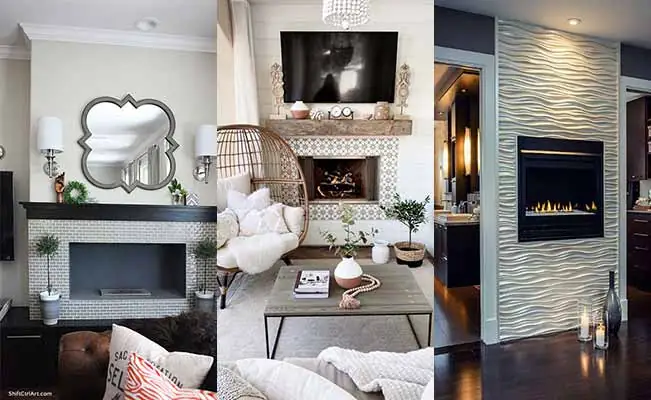
A tired fireplace can make a whole room feel older than it is. A smart fireplace tile surround can shift the mood fast, even when the rest of the living room stays the same. That is why this project lands so well for U.S. homeowners who want a visible change without tearing into walls, moving gas lines, or rebuilding the entire hearth.
The trick is knowing where money matters and where it quietly gets wasted. Some tile choices look expensive but install cleanly. Others look cheap in the box and cost more once cuts, trim, mortar, and repair work enter the bill. Homeowners comparing design updates through trusted home improvement resources like practical renovation planning often learn the same lesson: the finish is only half the project. The surface behind it decides whether the update lasts.
A fireplace deserves more respect than a random accent wall. Heat, soot, uneven brick, old adhesive, and safety clearances all shape the job. Done right, tile surround replacement gives the room a cleaner center of gravity. Done carelessly, it becomes the one flaw everyone notices first.
Planning a Tile Surround Replacement Before You Spend a Dollar
A fireplace project can look simple from across the room, but the details get loud once you stand close. The safest budget is not always the lowest number. It is the number that leaves room for prep, repairs, trim, and the small decisions that make the finished surface look intentional.
Reading the Existing Fireplace Before Choosing Tile
The old surround tells you what kind of project you are walking into. Painted brick, cracked ceramic, loose stone, and flat drywall all demand different prep. A clean flat surface can accept new tile with less drama, while uneven brick often needs leveling before anything looks straight.
Many homeowners start with fireplace tile ideas before they inspect the base. That is backwards. A sleek slab-look porcelain tile may look great online, but it will expose every bump if the old brick face bows out. Smaller tiles forgive more movement and unevenness, though they bring more grout lines into the design.
A good first step is boring but useful: run your hand across the surface, check for hollow spots, and look at the edges near the firebox. A 1960s ranch home in Ohio, for example, might have a brick surround that looks solid from the sofa but has chipped mortar near the opening. Tile does not fix that. Prep fixes that.
Setting a Budget That Includes the Ugly Parts
A budget fireplace makeover fails when every dollar goes toward the tile itself. The better move is to divide the budget before shopping. Materials, setting products, trim pieces, demolition, surface repair, and tools all need their own room.
Low-cost ceramic can work beautifully when the surface is flat and the design is simple. Porcelain usually costs more but handles wear better and offers stronger stone-look finishes. Natural stone brings character, but it can require sealing and more careful installation. The cheapest box on the shelf is not always the cheapest finished wall.
Labor changes everything. In many U.S. homes, the surround is small enough for a skilled DIYer, but the firebox edge, mantel cuts, and hearth transitions can punish rushed work. The counterintuitive truth is that spending more on layout time can save more money than buying cheaper tile.
Fireplace Tile Surround Design Choices That Change the Whole Room
Design is where the project gets fun, but it also gets risky. The fireplace sits at eye level and often anchors the living room layout, so a loud choice can age fast. A strong design does not need to scream. It needs to fit the room better than what came before.
Matching Tile Scale to the Room Size
Large-format tile can make a small surround feel calm and current. It reduces grout lines and gives the fireplace a cleaner face. In a narrow living room, that can make the wall feel less busy, especially when the TV, shelves, or windows already compete for attention.
Smaller tile works better when texture matters more than silence. Zellige-style ceramic, small marble mosaics, and handmade-look squares bring movement without needing bold color. They suit older homes, cottages, and rooms where the fireplace should feel collected rather than newly installed.
Living room fireplace design often improves when tile scale echoes something already present. A long rectangular tile can connect with wide plank flooring. A square tile can balance paneled walls. A vertical stack can lift a low ceiling. Good design rarely comes from copying a showroom. It comes from listening to the room.
Choosing Color Without Chasing Trends
Color mistakes are expensive because fireplaces are hard to ignore. White tile can brighten a dark room, but it may look stark beside warm oak floors. Black tile can feel rich, yet it can also flatten a small fireplace if the mantel is heavy and the wall color is deep.
Neutral does not have to mean dull. Warm gray, bone, sand, taupe, soft charcoal, and muted clay tones hold up better than trend colors in most American living rooms. They also play better with seasonal décor, which matters if the fireplace becomes the visual center during fall and winter.
The bold move is not always color. Texture can carry the whole budget fireplace makeover. A matte tile with a handmade edge can feel more expensive than glossy patterned tile that fights the furniture. When money is tight, quiet texture often beats loud pattern.
Installation Details That Separate Clean Work From Regret
The tile people notice first is rarely the tile itself. They notice crooked edges, thick grout, awkward cuts, and trim that looks like an afterthought. That is where the project either looks built into the home or pasted onto the wall.
Picking Heat-Safe Materials for the Right Zone
A fireplace surround is not the same as a kitchen backsplash. Heat exposure changes the rules near the firebox, especially with wood-burning units. Heat resistant tile such as porcelain, ceramic, stone, or properly rated glass is usually the safer direction than decorative materials that were never meant to sit near flame.
The setting materials matter too. Mortar, backer board, caulk, and grout must suit the location. A beautiful tile can still fail if it is installed with the wrong adhesive near heat. This is the kind of hidden mistake that may not show up for months.
Local code and manufacturer instructions should steer the final decision. A gas fireplace insert in a newer Arizona home may have different clearance needs than a masonry fireplace in an older New England colonial. The smartest design choice is the one that respects the appliance first and the mood board second.
Getting Edges, Corners, and Grout Right
Edges reveal skill. A surround with exposed tile sides needs a clean finish, whether that comes from bullnose tile, metal trim, mitered edges, or a framed mantel detail. Skipping this step makes even expensive tile look unfinished.
Grout width deserves equal care. Tight grout lines can make porcelain look sleek, but they demand straighter tile and better walls. Wider grout lines can suit handmade tile, yet they need color control or the surface becomes busy. The grout color should support the tile, not outline every decision.
Corners are where patience pays. Dry-lay the pattern before mixing anything. Mark the centerline, check the firebox opening, and plan cuts so tiny slivers do not land at the most visible edges. Nobody brags about layout math, but everyone sees when it was ignored.
Stretching the Budget Without Making the Fireplace Look Cheap
A limited budget does not force a weak result. It forces better judgment. Money goes further when the design is simple, the prep is honest, and the finish details receive more attention than the shopping cart.
Where to Save Without Losing Style
Tile cost can drop fast when the shape is simple. Standard squares, subway tile, and basic porcelain field tile often look better than bargain mosaics with uneven finishes. A classic tile installed with care beats a trendy tile installed in panic.
You can also save by keeping the footprint the same. Expanding the surround may require wall repair, mantel changes, hearth adjustments, or paint work. Staying within the existing boundary keeps the project focused and prevents one update from becoming five.
Some of the best fireplace tile ideas come from restraint. Run tile only where it matters. Paint the mantel. Replace dated brass doors. Add a cleaner screen. The fireplace begins to feel new because the whole composition improves, not because every surface was replaced.
Where Spending More Actually Shows
Spend money where hands and eyes land. Trim, layout, surface prep, and grout color affect the finished look more than most people expect. A modest tile with sharp edges and even spacing can outperform a costly tile surrounded by sloppy details.
Heat resistant tile is another place where cheap shortcuts make no sense. The surround lives near temperature swings, cleaning products, ash, soot, and constant attention. A few saved dollars mean little if tiles loosen or discolor after one heating season.
The final choice should match the home, not the loudest trend. In a modest Dallas bungalow, a warm matte porcelain surround with a simple wood mantel may feel more honest than polished marble. In a formal East Coast living room, stone may earn its cost. Budget is not only about spending less. It is about spending where the room will repay you every day.
Conclusion
A fireplace is too central to treat like a weekend impulse buy. The tile, trim, grout, and surface prep all work together, and one weak choice can pull attention from the whole room. That does not mean the project has to be expensive. It means the money needs direction.
The best fireplace tile surround choices start with the existing structure, not a shopping photo. Once you know the surface, the heat zone, and the room’s style, the right tile becomes easier to spot. Some homes need quiet porcelain. Others can carry handmade texture or natural stone. The winner is the option that feels settled the day it goes in and still feels right five years later.
Start with a careful inspection, build a budget that includes prep, and choose a design you would still like after the trend cycle moves on. Your fireplace should not look newly decorated. It should look like it finally belongs.
Frequently Asked Questions
What is the cheapest way to replace fireplace tile surround?
The cheapest path is usually keeping the existing footprint, choosing standard ceramic or porcelain tile, and doing careful prep before installation. Avoid moving the mantel, changing the hearth, or adding complex patterns, because labor and cuts often cost more than the tile itself.
Can I tile over old fireplace tile without removing it?
You can tile over old tile only when the existing surface is solid, clean, flat, and properly bonded. Loose, cracked, glossy, or uneven tile needs correction first. Skipping that step can cause the new tile to fail even if the finished surface looks good at first.
What tile is best for a living room fireplace surround?
Porcelain, ceramic, and natural stone are common choices because they handle fireplace conditions well when installed correctly. Porcelain is often the most practical option for many homes because it offers strong durability, many styles, and easier care than some natural stone.
Do I need special adhesive for fireplace tile?
Yes, the setting product should match the fireplace area and heat exposure. Standard wall adhesive may not be suitable near a firebox. Use mortar or setting materials rated for the surface and location, and always follow the fireplace manufacturer’s clearance guidelines.
How much does a budget fireplace makeover usually cost?
Costs vary by tile, labor, prep, and fireplace size. A small DIY update can stay modest if the surface is sound and the tile is simple. Professional installation costs more, but it may be worth it when the surround has uneven brick, tricky edges, or heat-zone concerns.
Should fireplace tile match the hearth tile?
Matching can create a clean, unified look, but it is not required. Many fireplaces look better when the surround and hearth coordinate rather than match exactly. Keep undertones, texture, and scale related so the two areas feel connected without looking flat.
Is peel-and-stick tile safe around a fireplace?
Peel-and-stick tile is usually not the right choice near active heat zones. Some products may work on decorative areas away from heat, but many are not built for fireplace conditions. Traditional tile is the safer and longer-lasting option for the actual surround.
Can fireplace tile replacement increase home value?
A clean fireplace update can improve buyer perception because the living room often shapes the first impression of the home. It may not deliver a dollar-for-dollar return on its own, but a dated or damaged fireplace can make the whole room feel neglected.